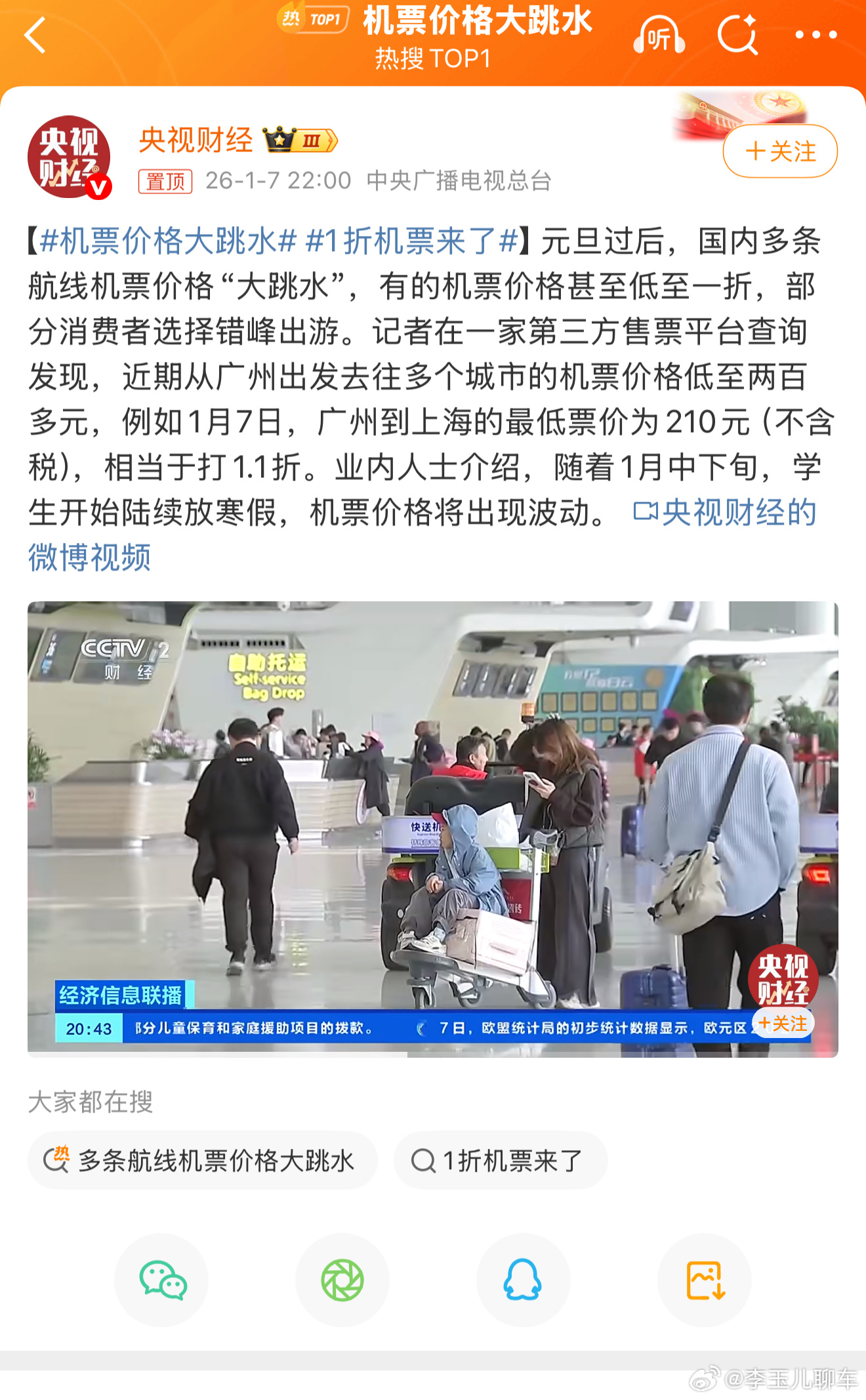
China's Airfare Prices Plummet Post-New Year, With Some Flights Selling for Just 11% of Original Cost
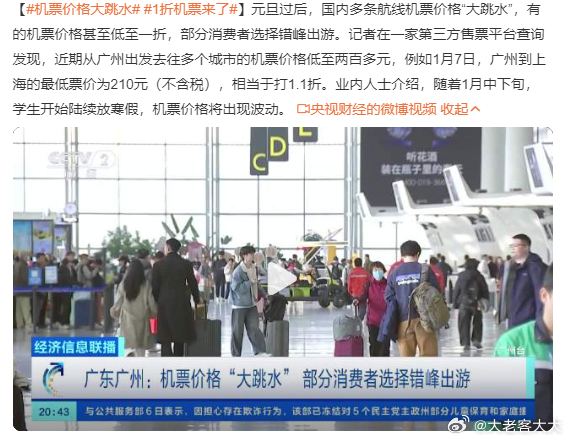
Following the New Year holiday, airfare prices in China have seen a dramatic drop, with some flights selling for as little as 11% of their original cost. The decline has prompted many consumers to opt for off-peak travel, taking advantage of the low prices before winter break drives fares back up.
8 January 2026
Summary
Following the New Year holiday, airfare prices in China have seen a dramatic drop, with some flights selling for as little as 11% of their original cost. The decline has prompted many consumers to opt for off-peak travel, taking advantage of the low prices before winter break drives fares back up.

The Massive Drop in Airfare Prices
In the weeks after the New Year, domestic airfare prices across China have plummeted, with some routes seeing discounts as steep as 1.1-fold—equivalent to just 11% of the original ticket price. According to reports from a third-party ticketing platform, flights from Guangzhou to Shanghai on January 7 were available for as low as 210 yuan (excluding taxes), a fraction of the usual cost. Other major routes, including Hangzhou to Aletai, have also seen significant price drops, making long-distance travel more affordable than in years past. Industry insiders note that the trend is likely temporary, with prices expected to rise in mid-to-late January as students begin their winter break, increasing demand for flights.
Why Are Prices Plummeting?
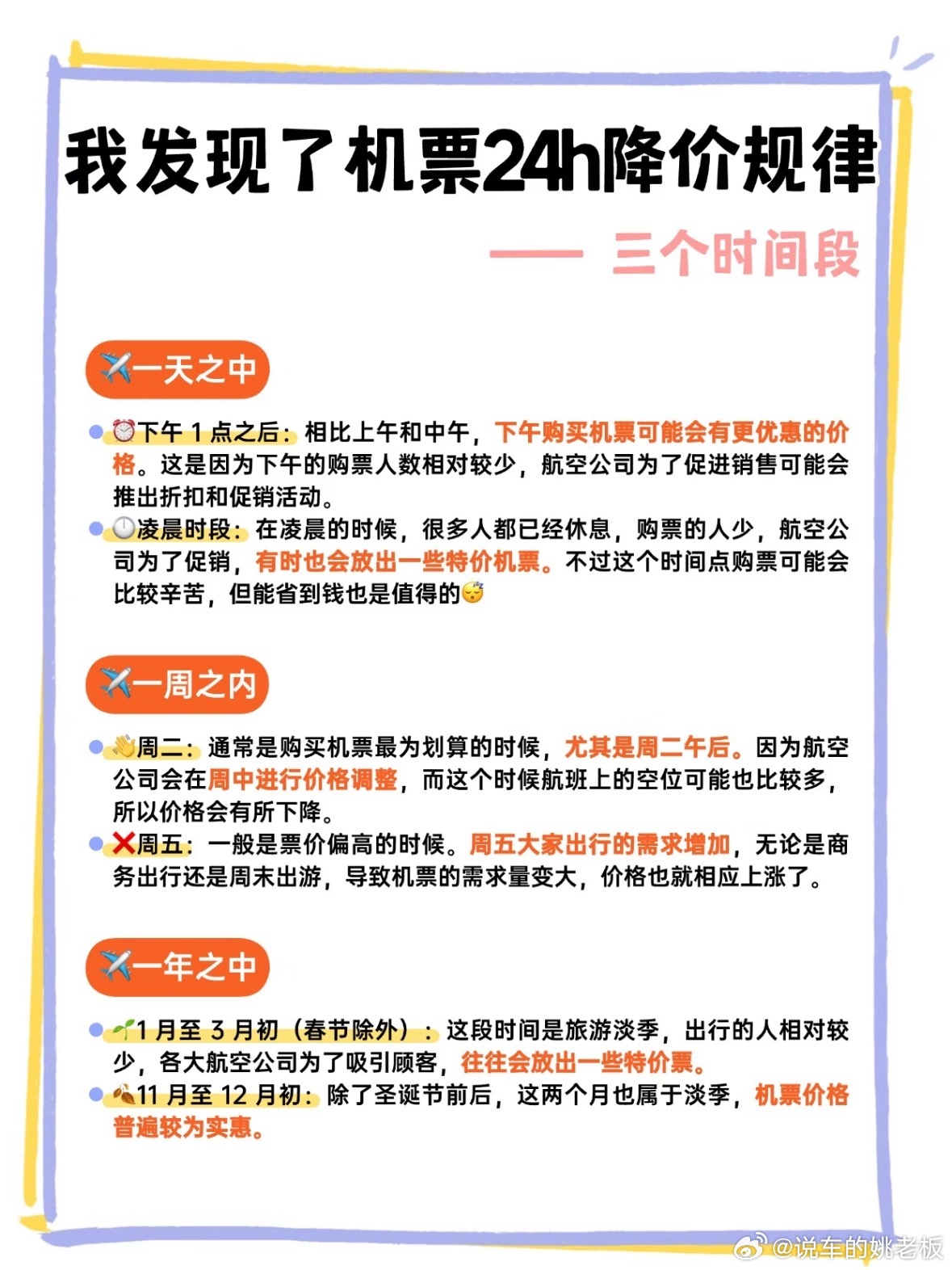
Several factors are driving the sharp decline in airfare. First, reduced demand post-holiday has left airlines competing for a smaller pool of travelers, forcing them to lower prices to fill seats. Second, a recent drop in fuel surcharges—now just 10 yuan for routes under 800 kilometers—has cut operating costs for airlines, allowing them to pass savings on to consumers. Additionally, the aviation industry, which has faced growth bottlenecks for years, is relying on price cuts as a key strategy to attract passengers amid stiff competition from high-speed rail, which offers a more flexible and comfortable alternative for many travelers.
Consumers Embrace Off-Peak Travel
The low fares have sparked a wave of “off-peak travel” among Chinese consumers, who are eager to avoid the crowds and high costs associated with holiday travel. Social media posts highlight the appeal of traveling when prices are low: one user described the experience as “relaxed,” noting that they could “stop and enjoy the scenery” without rushing, while another praised the “freedom” of planning a trip without worrying about peak-season chaos. For many, the drop in prices has made spontaneous travel—once a luxury—accessible, with some even booking last-minute getaways to destinations like Xinjiang or Yunnan.

Examples of Unbelievably Low Fares
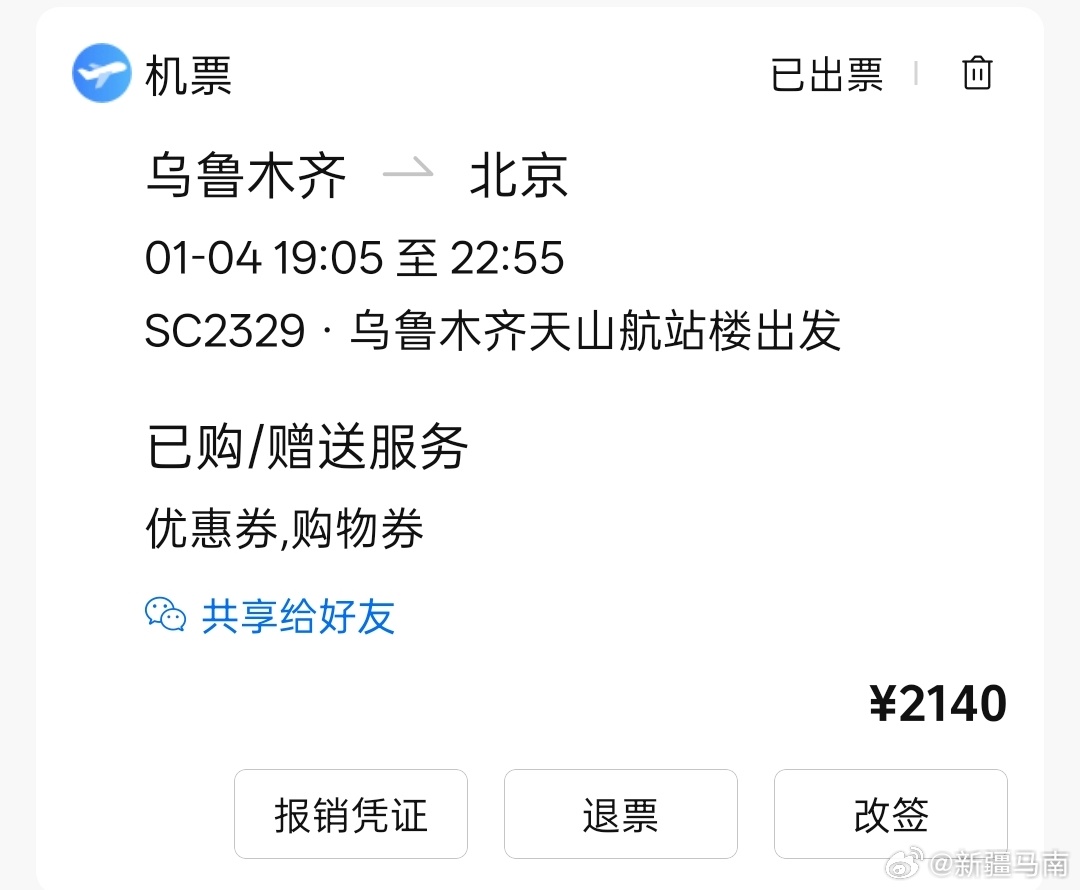
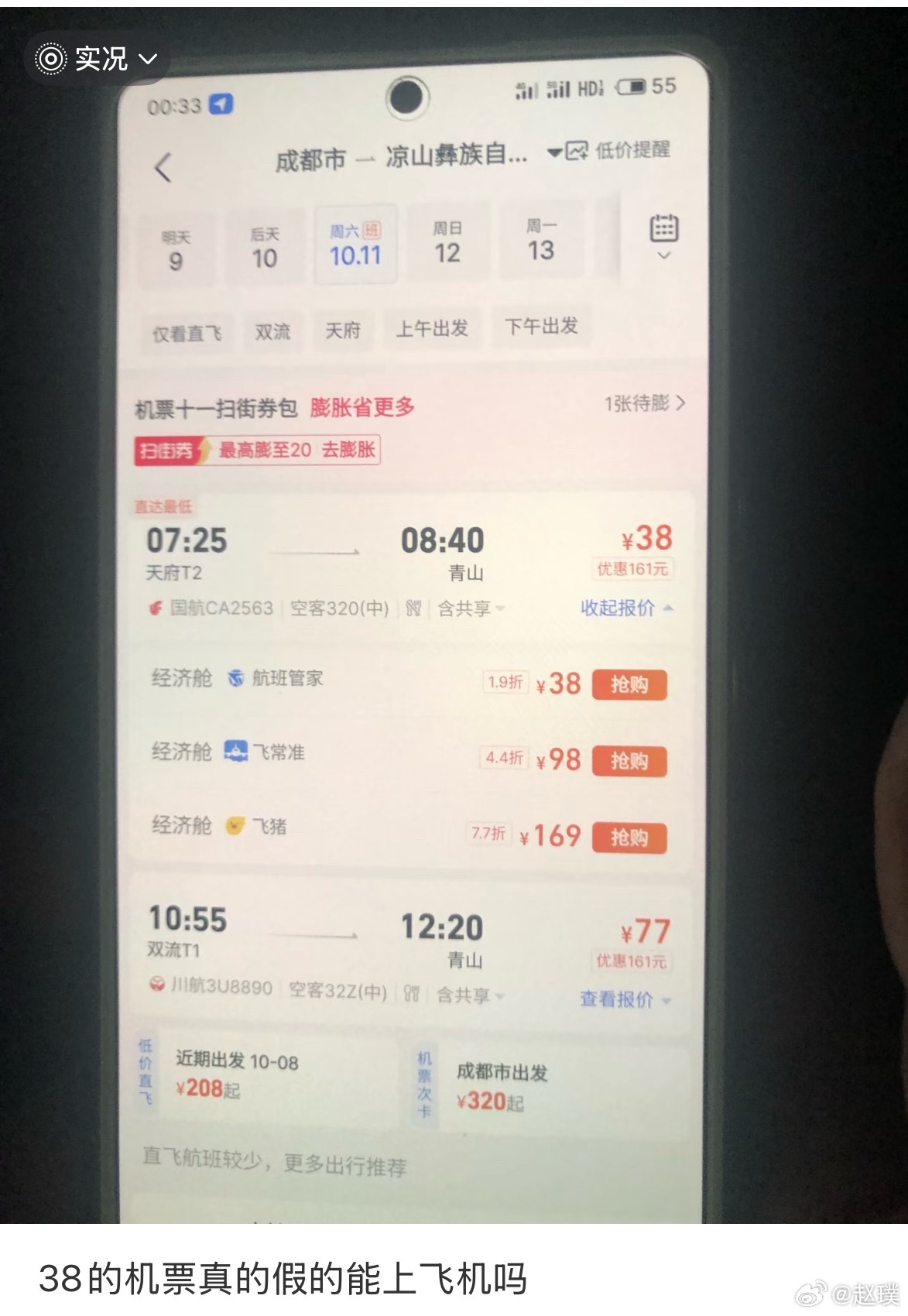
The discounts are not just limited to major cities. In some cases, fares have reached unbelievably low levels: a flight from Chengdu to Liangshan was listed for just 38 yuan (excluding taxes), while a round-trip from Urumqi to Beijing—once costing over 4,000 yuan—now sells for around 2,000 yuan. Even popular tourist destinations are seeing price drops: a flight from Hangzhou to Aletai, a ski resort in Xinjiang, is available for 1,000 yuan, with the added bonus of a free day of skiing. These deals have drawn comparisons to “cabbage prices,” with users marveling at how affordable air travel has become.
Regional Variations and Future Trends
Not all regions are seeing the same trend, however. Users in Beijing have noted that fares from the capital have not dropped as significantly, with some even rising ahead of the Spring Festival. This regional variation highlights how demand and supply dynamics differ across China, with coastal cities like Guangzhou and Shanghai experiencing steeper discounts than inland hubs. Looking ahead, experts warn that the window for low fares is closing: as winter break begins, prices are expected to rise sharply, making now the best time for travelers to book their trips.