China's Winter Wonderland: How Ice and Snow Bring Joy to the Season
As winter blankets China in a layer of ice and snow, a nationwide sentiment is taking hold: the joy of the season is deeply intertwined with the beauty and activities of frozen landscapes. From the bustling winter festivals of Jilin to the serene, snow-covered forests of Yichun, Chinese communities are embracing the winter wonderland, turning cold temperatures into opportunities for adventure, celebration, and connection with nature.
25 December 2025
Jilin: A Winter Wonderland of Activities
On December 23, the "2025 China Upward · #Ice and Snow Smile Curve#" network theme promotion activity kicked off in Yanbian Korean Autonomous Prefecture, Jilin Province. This event, centered around the theme "#The joy of winter is given by ice and snow#," aims to showcase Jilin's unique winter charm to a global audience.
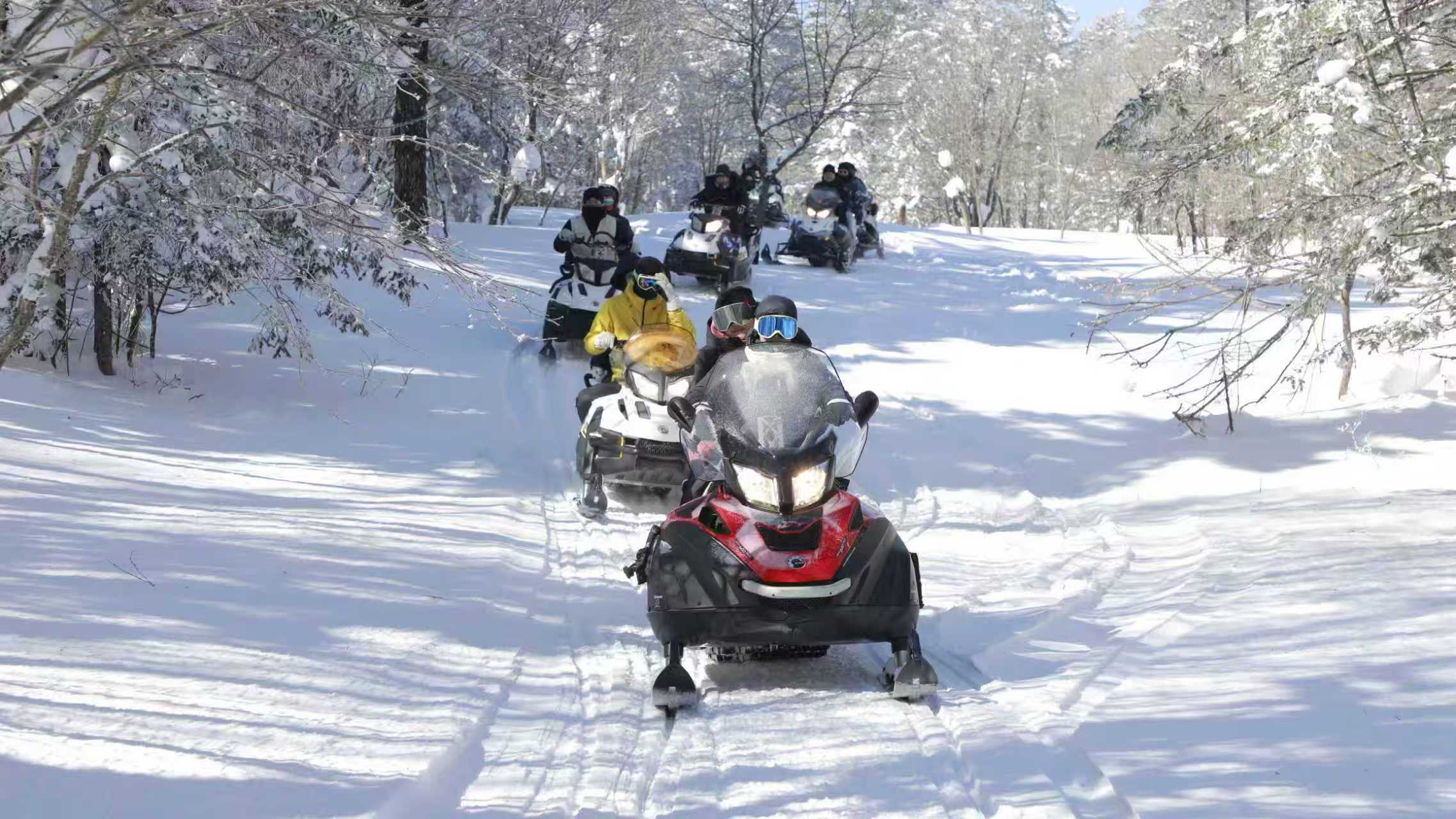
The event highlighted a range of winter activities that embody the joy of the season. Visitors can enjoy "fluorine spring warm soup" (a local hot spring experience), watch reindeer tread through the snow at Lao Keli Lake, where the powder snow creates a dreamlike landscape. For thrill-seekers, the slopes of Songhua Lake offer exhilarating skiing experiences, while the "Ice and Snow New World" comes alive at night, with lights transforming the frozen landscape into a magical realm.
As Chu Xiaopeng, a reporter from Ban Yue Tan (a Chinese magazine), noted in a tweet promoting the event: "Snow falls on mountains and rivers, and also into the human world, outlining the vivid veins of Jilin's winter."
Yichun: The "White Forest" and Its Frozen Beauty
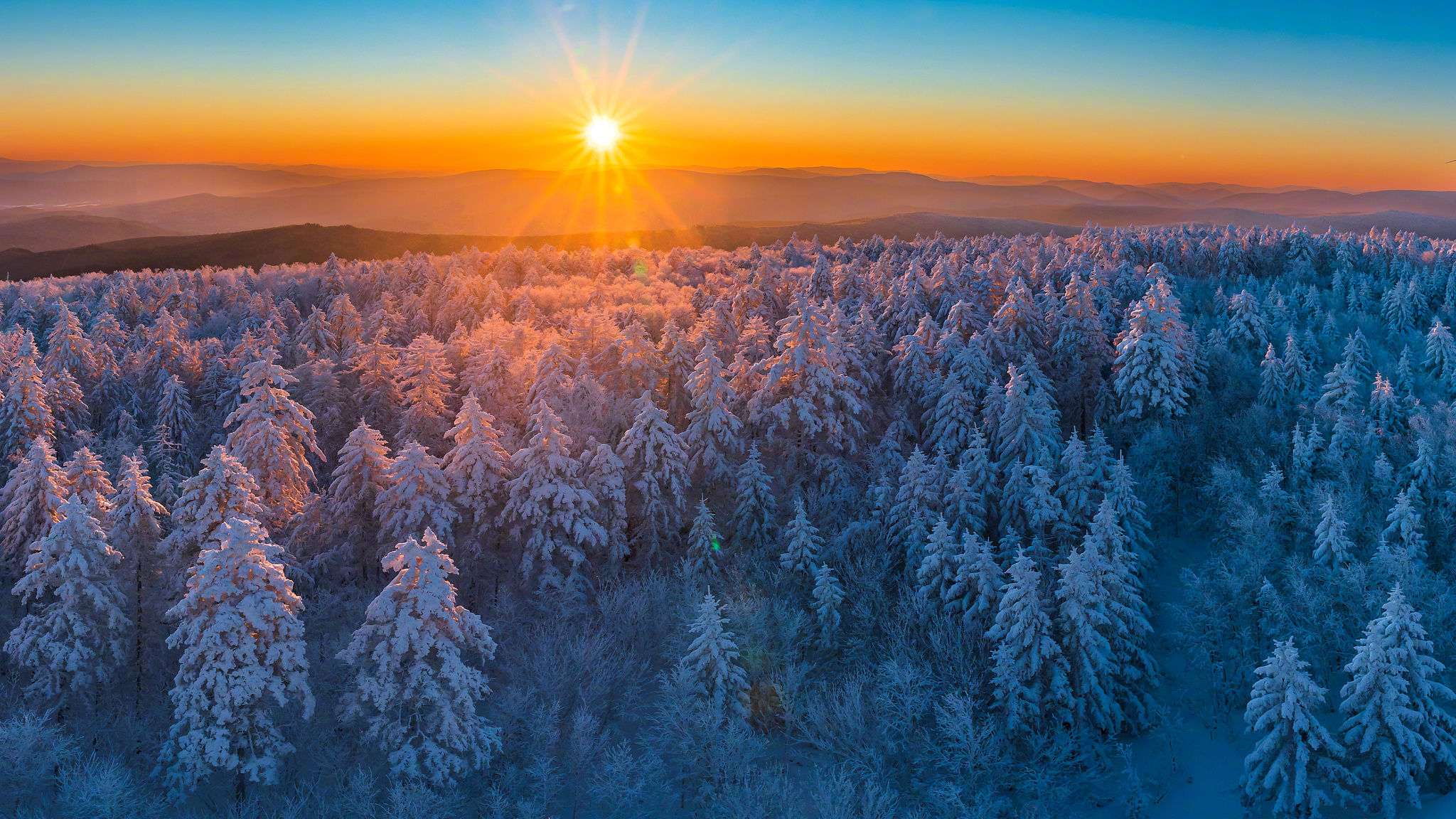
While Jilin offers a bustling winter festival, Yichun, a city in Heilongjiang Province, presents a more serene and ethereal winter landscape. Known as the "white forest" (白色森林), Yichun's winter beauty is defined by the unique combination of its dense forests and heavy snowfall.
As noted in a tweet from "地理君带你看中国" (Geography Lord Shows You China), Yichun is home to one of China's most well-preserved red pine原始林 (original forests). With over 83% forest coverage, the snow in Yichun creates a unique layered effect: thick snow accumulates on the canopies of red pines, cold firs, and white birches, forming a "white forest" that locals call "红雪" (red snow)—not because the snow is red, but because it covers the red pine forests, creating a striking contrast between the white snow and the red bark of the pines.
This layered beauty is not just visual; it's also sensory. The air in Yichun's forests during winter is rich in negative oxygen ions and plant volatile substances, giving it a crisp, clean scent with a hint of resin. As the tweet notes, "the breathing in the forest becomes particularly clean."
Beyond the "white forest," Yichun is home to two other iconic winter landscapes: the Hongxing Geological Park and the Kuerbin River Valley.
The Hongxing Geological Park, located near the city, is known for its "雪蘑菇" (snow mushrooms)—large, mushroom-shaped snowdrifts that form on top of black volcanic rocks (formed from ancient volcanic eruptions). The stark contrast between the white snow and the black rocks creates a visually striking landscape, described as "clean and highly image-like" in the tweet.
The Kuerbin River Valley, on the other hand, is famous for its 雾凇 (rime ice)—a type of frost that forms when water vapor in the air freezes onto the branches of trees. The Kuerbin River Valley is one of China's longest and most extensive rime ice belts, with a four-month rime ice period that transforms the riverbanks into a landscape covered in white feathers.
In the early morning, the water vapor in the Kuerbin River Valley condenses into frost, wrapping the tree branches in white. From a distance, the rime ice looks like a jade dragon twisting through the air; up close, it resembles pear blossoms in full bloom. On sunny days, the sunlight shines on the rime ice, giving the entire river valley a fairy-tale-like quality.
Beyond the Scenery: The Joy of Winter in China
While Jilin and Yichun offer stunning winter landscapes and exciting activities, the true essence of "#The joy of winter is given by ice and snow#" lies in the human connection to these frozen environments.
Across China, winter is not just a season of cold; it's a time for celebration, adventure, and community. From the bustling markets of Harbin, where giant snowmen are "dug" out of the snow (as noted in a tweet from a user named 赵璞 (Zhao Pu)), to the quiet villages of Yanbian, where families gather around hot springs to warm up after a day of playing in the snow, winter in China is a time of joy and togetherness.
Even in cities like Beijing or Shanghai, where snowfall is less common, the hashtag "#The joy of winter is given by ice and snow#" has become a popular way for people to share their winter experiences—whether it's a child's first time seeing snow, a family's trip to a winter resort, or a photographer's captures of the winter landscape.
As one user tweeted in response to a poll asking "Has it snowed in your location?": "#The joy of winter is given by ice and snow#, you there snowed?" This simple question captures the essence of the hashtag: winter joy is not just about the snow itself, but about the shared experience of enjoying it—whether you're in a bustling city or a quiet forest, whether you're skiing down a slope or sitting by a hot spring.
In the end, "#The joy of winter is given by ice and snow#" is more than just a hashtag—it's a celebration of the beauty, adventure, and joy that winter brings to China and to people all over the world.