Controversy Erupts Over Chinese RPG 'Ruoyu' Amid Accusations of Sexism and Historical Inaccuracy
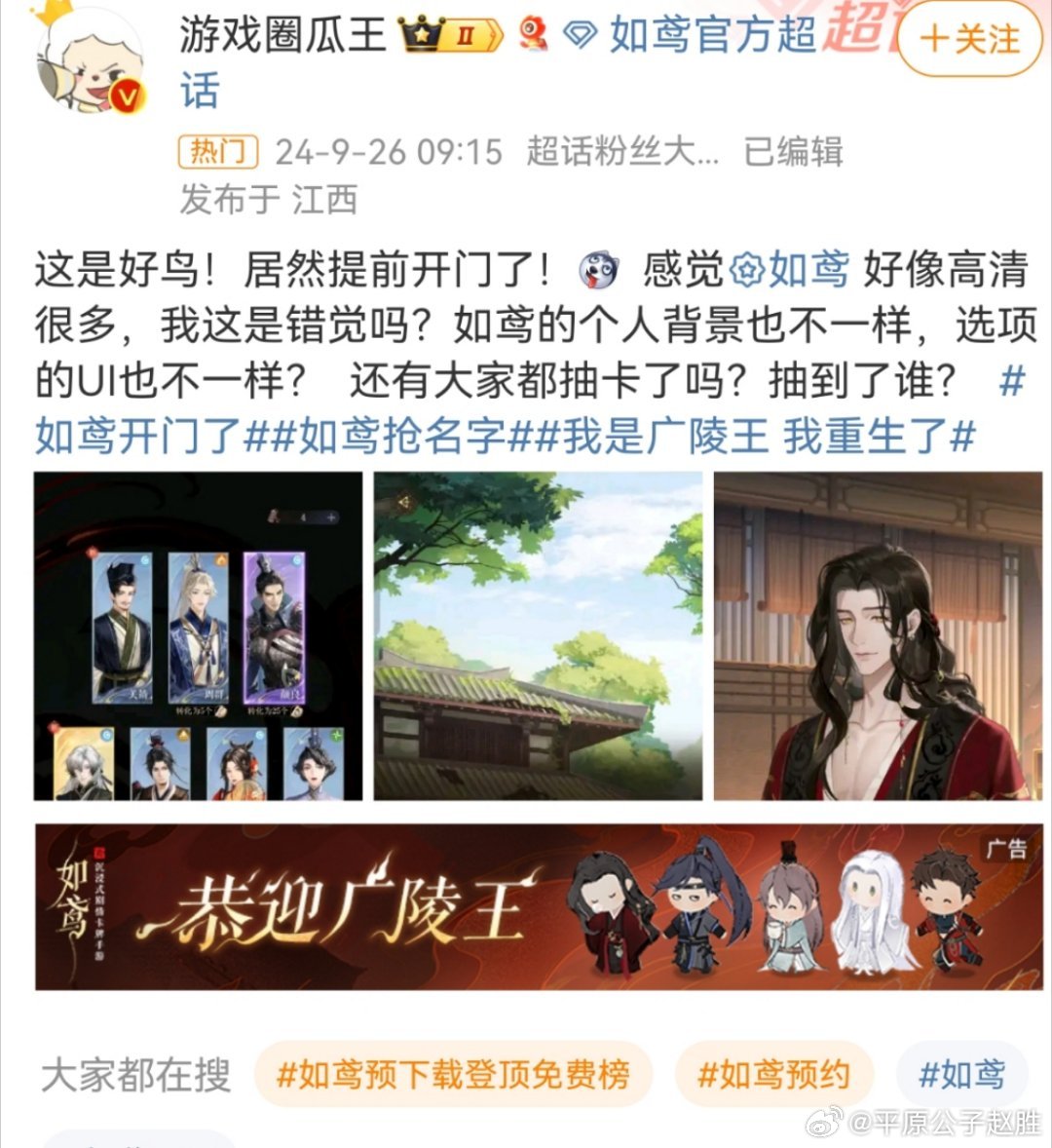
The surprise early launch of "Ruoyu" (also known as "Code Yuàn" in some regions) has sparked heated debate among gamers and netizens. The game, a card-based RPG with a strong focus on storytelling, was initially scheduled to launch on a later date, but its sudden availability has caught many off guard.
26 September 2024
On social media, fans are abuzz with excitement, sharing their experiences and impressions of the game. Some have praised its high-quality graphics and engaging gameplay, while others have expressed surprise at the game's early launch. However, not all feedback has been positive. Some critics have attacked the game for its perceived poor quality, with one commentary going so far as to label it "electronic poison." Others have criticized the game's storyline, which they claim is riddled with flaws and anachronisms.
The release of "Ruoyu" has sparked intense controversy in China and beyond, with many criticizing the game's content and historical inaccuracies. The game, which claims to be a "female-oriented" and "otome" game, has been accused of distorting historical figures and events from the Three Kingdoms period. Players take on the role of a fictional "Gongling King," a female character who disguises herself as a man and becomes embroiled in a plot to overthrow the emperor. However, critics argue that the game's portrayal of historical figures such as Cao Cao, Liu Bei, and Zhuge Liang is deeply flawed and disrespectful.
One critic accused the game of "vulgarizing" historical figures and events, and of promoting a "toxic" and "misogynistic" worldview. The critic also pointed out that the game's female protagonist is depicted as being more interested in romantic relationships and personal gain than in governing her territory or contributing to the greater good. Others have criticized the game's historical inaccuracies, pointing out that the game's depiction of events and figures from the Three Kingdoms period is often at odds with historical records.
The controversy surrounding "Ruoyu" has also led to accusations of cultural insensitivity and disrespect for Chinese history and culture. Some have pointed out that the game's developers appear to have drawn inspiration from Japanese and Taiwanese media, rather than from Chinese sources.
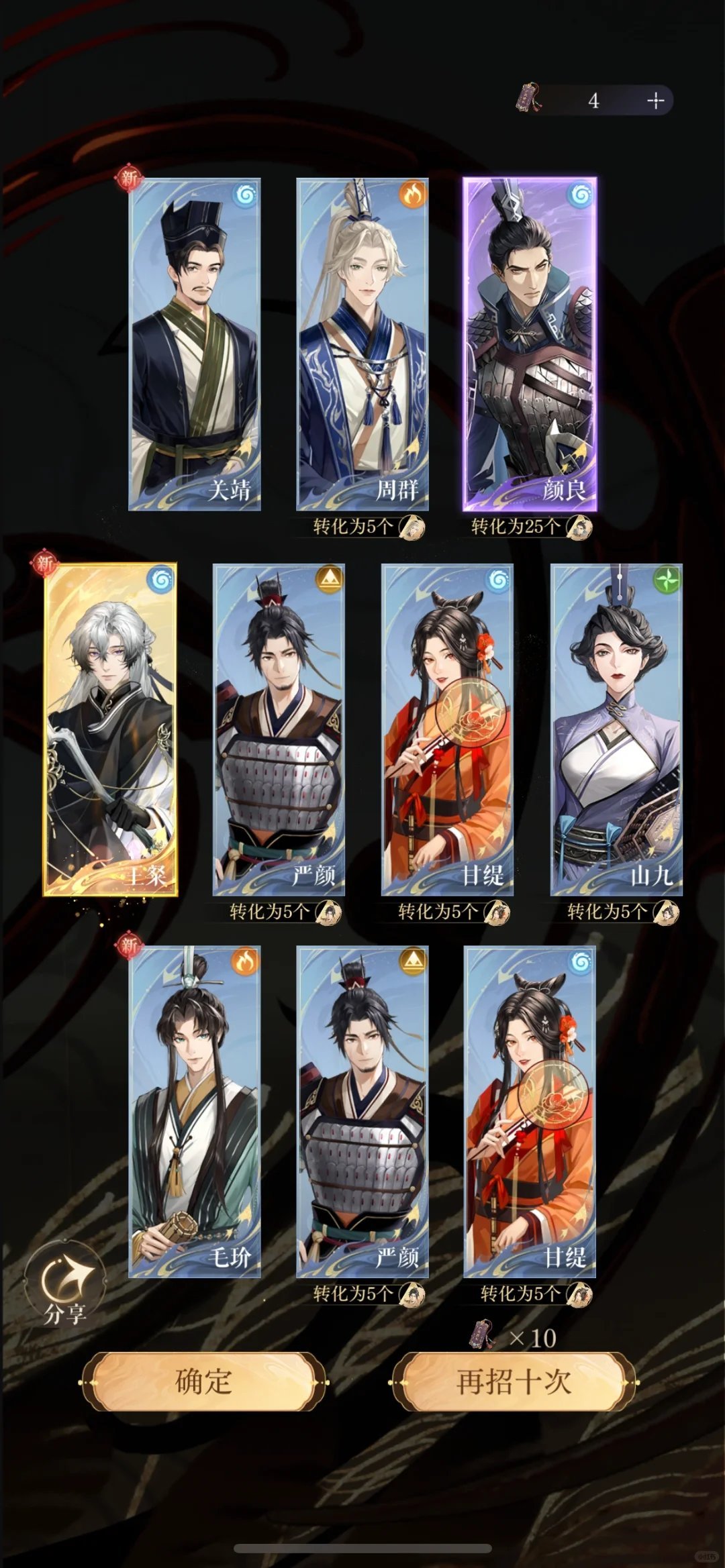
As players have taken to social media to share their experiences and reactions to the game's character draw system, some have expressed excitement and surprise at the unique characters they've drawn, while others have voiced disappointment and frustration with the game's character design and storyline. One player criticizes the game's treatment of historical female figures and its focus on romantic relationships, saying: "In our history, there have been many female heroes who didn't need to disguise themselves as men to achieve greatness. Why do we need to create a game that demeans women's abilities and reduces them to mere objects?"
Others have also expressed dissatisfaction with the game's character designs and storylines, calling them "lazy" and "sexist." Some have even accused the game of "poisoning" young minds with its explicit content and "degrading" historical figures.
However, not all players are critical of the game. Some have praised its unique art style and engaging gameplay, saying: "I'm really enjoying 'Ruoyu' so far! The characters are all so interesting, and I love the way the story is unfolding."
The game's release has been met with controversy and criticism across different regions, including China, Hong Kong, Macau, Taiwan, Singapore, and Malaysia. In China, the game has been officially released, with some players enthusiastically welcoming its arrival. However, many have also expressed outrage and disappointment over the game's perceived degradation of historical figures and its alleged sexism.
The game has been particularly criticized for its portrayal of female characters, with some accusing it of being a "poisonous" influence on society. Detractors argue that the game's decision to create a fictional female character, the "Gongling King," and depict her as a seductress who uses her charm to manipulate others, is a perversion of traditional Chinese values.
Fans of the game have taken to social media to defend it, arguing that it offers a fresh take on traditional Chinese history and allows players to experience the thrill of being a powerful female leader in a male-dominated world. The game's release has sparked heated debates about the role of women in Chinese society and the representation of historical figures in popular culture. While some have praised the game for its ambition and creativity, others have condemned it for its alleged sexism and disrespect towards traditional Chinese values.
Comments