Typhoon Bebinca Bears Down on Shanghai, Prompts Warning and Precautions Ahead of Mid-Autumn Festival
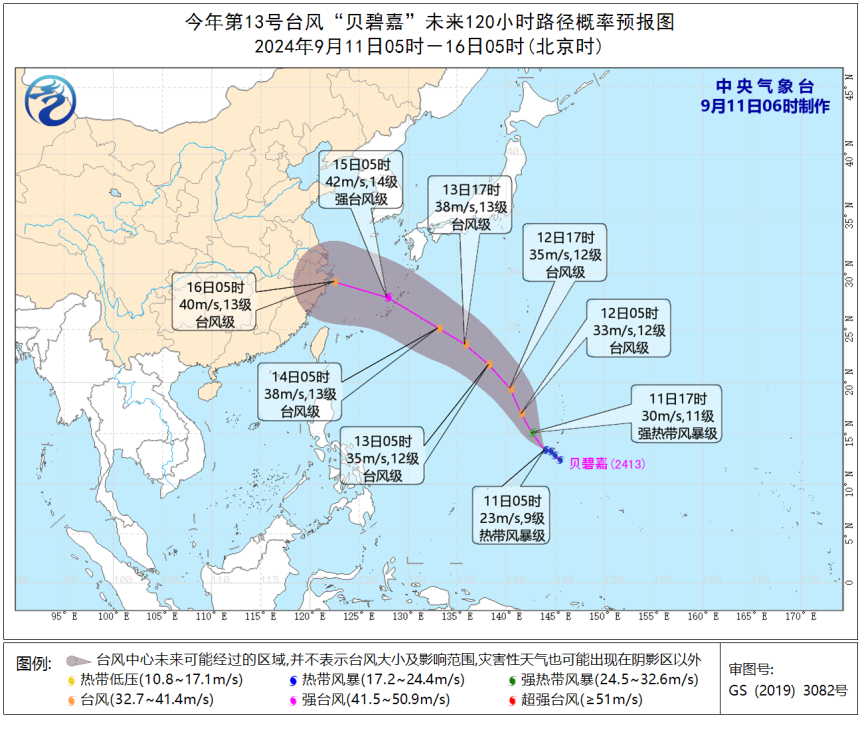
As Typhoon Bebinka, the 13th typhoon of the season, formed in the northwest Pacific Ocean, concerns are rising over its potential impact on the Yangtze River Delta region, particularly Shanghai and Zhejiang. According to the Central Meteorological Observatory, Bebinka is expected to make landfall in the region on September 16, coinciding with the Mid-Autumn Festival holiday.
11 September 2024
While the typhoon's trajectory suggests it will bring strong winds and heavy rainfall to the region, its relatively small circulation and the presence of strong wind shear in the East China Sea make its impact on Shanghai uncertain. Although Typhoon Bebinca is expected to make landfall in the Yangtze River Delta region on September 16, its potential impact on Shanghai remains uncertain due to its relatively small circulation. According to experts, the typhoon's limited size and the strong wind shear in the East China Sea may reduce its influence on the city. Additionally, even a slight deviation in the typhoon's trajectory could minimize its impact on Shanghai, potentially making it less severe than the recent tropical cyclones that have affected the region. As a result, Shanghai residents are advised to remain vigilant and closely monitor weather updates as the typhoon approaches.
However, authorities are urging residents to take necessary precautions. The Zhejiang Provincial Water Resources Department has issued a warning, and the Shanghai Meteorological Bureau is closely monitoring the situation. Residents are advised to stay indoors during the storm, avoid traveling, and follow evacuation orders if necessary.
Some netizens have expressed concerns about the typhoon's potential to disrupt daily life, with one user jokingly hoping it would change course and head towards Japan instead. The upcoming Mid-Autumn Festival holiday may be disrupted by the approaching Typhoon Bebinca, forecasters warn. The storm, expected to land in the Yangtze River Delta region on September 16, may bring rain and strong winds to several provinces in eastern China, including Shanghai.
Although it is still uncertain how severely Typhoon Bebinca will impact Shanghai, residents are advised to stay tuned to the latest weather forecast and be prepared for possible disruptions to their holiday plans. The Shanghai Meteorological Bureau has urged the public to monitor the storm's progress closely, as the city's location near the expected landfall area makes it vulnerable to the typhoon's effects.
The National Meteorological Center has predicted that Typhoon Bebinca will bring heavy rain and strong winds to parts of eastern China, including the provinces of Jiangsu, Zhejiang, and Fujian. The storm's trajectory is expected to pass close to Shanghai, making it a high-risk area for disruptions.
As the Mid-Autumn Festival holiday approaches, travelers and residents alike are advised to stay informed about the latest weather forecast and follow evacuation orders if necessary. The Shanghai government has pledged to do everything in its power to ensure public safety and minimize disruptions to the holiday celebrations.
With the storm's expected landfall just days away, residents are advised to stock up on emergency supplies, including food, water, and first aid kits, and to have a plan in place in case of an emergency. By staying informed and taking necessary precautions, residents can minimize the risks associated with Typhoon Bebinca and enjoy a safe and festive Mid-Autumn Festival holiday.
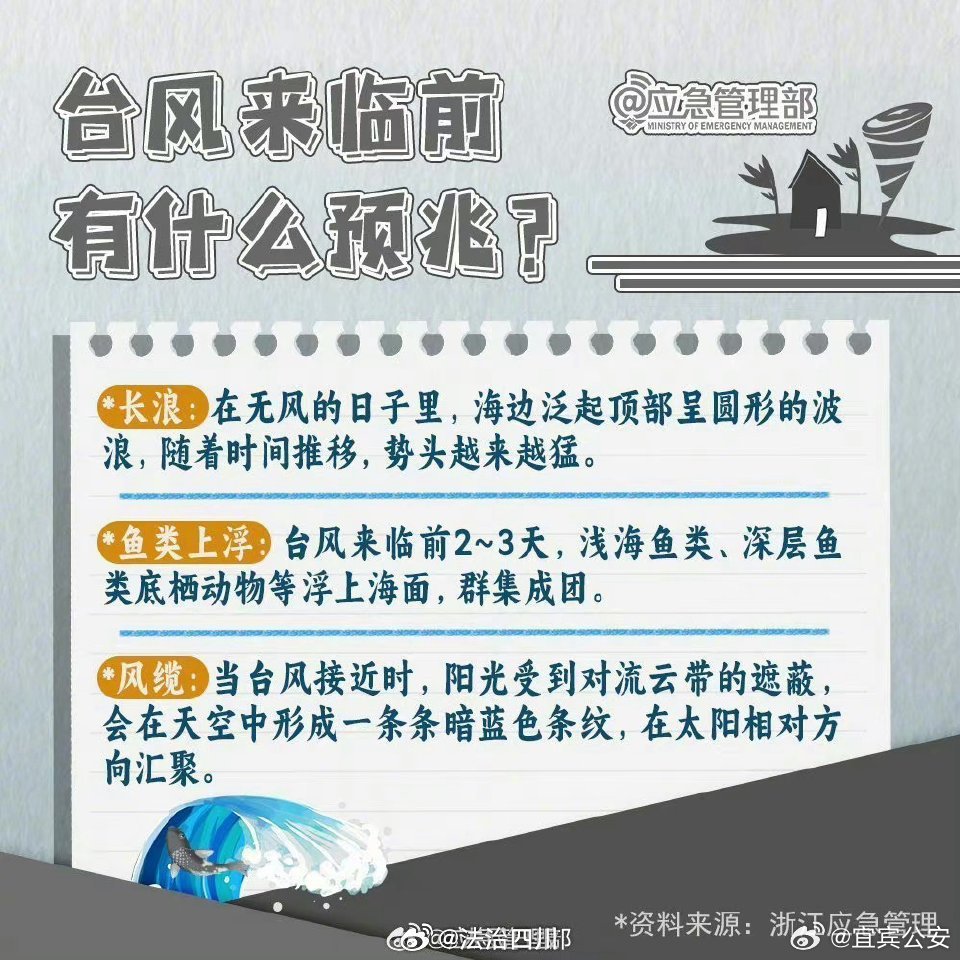
To identify an approaching typhoon, residents can look out for several warning signs, including long waves, fish swimming near the surface, and wind stripes. According to the Ministry of Emergency Management, these signs may indicate an approaching typhoon. Long waves may become larger and more circular, increasing in intensity over time, while fish and other marine animals may swim near the surface, gathering in large groups. Dark blue stripes may also form in the sky, converging in the direction of the sun.
To protect themselves indoors, residents are advised to secure windows, unplug appliances, stay away from windows, and charge their devices. Securing windows with tape, especially those with sharp edges or points, can prevent shattering. Unplugging electrical appliances and electronics can prevent damage from power surges. Moving furniture away from windows and doors can also prevent injury from flying debris. Charging essential devices, such as phones and laptops, can ensure residents stay connected in case of a power outage.
When outdoors, residents are advised to stay indoors, avoid flooded areas, watch for fallen objects, and follow evacuation orders. Venturing outside during a typhoon can be hazardous, and residents should only do so if absolutely necessary. Flooded areas can be contaminated with sewage and other hazards, while fallen trees, power lines, and other debris can be deadly. If ordered to evacuate, residents should do so promptly and follow the recommended evacuation route.
Comments