China Intensifies Crackdown on Online Rumors and Fraudulent Certifications, Penalizing Both Users and Platforms
China has launched a sweeping crackdown on online misinformation and fraudulent certifications, penalizing both individual users who spread false rumors and major platforms that fail to curb harmful content. Recent cases include a man fined for sharing a fake human trafficker alert, a website shut down for selling fake intangible cultural heritage certificates, and a $169 million fine imposed on the popular short-video app Kuaishou for allowing low-quality and illegal content to proliferate.
17 February 2026
China has launched a sweeping crackdown on online misinformation and fraudulent certifications, penalizing both individual users who spread false rumors and major platforms that fail to curb harmful content. Recent cases include a man fined for sharing a fake human trafficker alert, a website shut down for selling fake intangible cultural heritage certificates, and a $169 million fine imposed on the popular short-video app Kuaishou for allowing low-quality and illegal content to proliferate.
Fake Rumors Fuel Panic, Draw Penalties
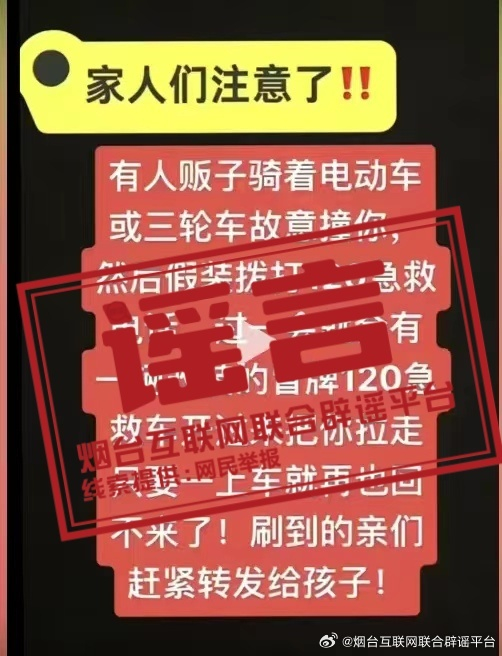
Across China, authorities are targeting individuals who spread false information online, often for personal gain or to attract attention. In one case, a man in Longkou, Shandong, was fined 300 yuan ($42) for reposting a fake alert about human traffickers on electric bikes who allegedly pretended to call an ambulance to abduct people. The rumor, which went viral on social media, was debunked by local authorities, who emphasized that such claims are baseless and harmful.
"The internet is by no means a lawless place. Those who cross legal and moral boundaries for traffic will ultimately pay the price." - Weibo user @温沉丶, commenting on the crackdown.
Another case involved a man in Wuhu, Anhui, who fabricated a rumor about child traffickers in the area. The local police investigated and found he had created the false information to gain followers. He was given a stern warning and penalized, according to a video released by Anhui police.

Translation: "Recently, Wuhu police in Anhui legally investigated a case of fabricating 'child traffickers in Wuhu' online rumors."
In Chongqing, a netizen was penalized for spreading a false report of a residential fire that allegedly killed one person and injured another. Authorities confirmed no such incident occurred, and the user was held accountable for disturbing public order.
Fake Certifications Undermine Cultural Heritage
A more insidious trend involves the sale of fake certifications for intangible cultural heritage (ICH), a category of traditional arts, crafts, and practices protected by the Chinese government. A website called "Inheritance Network" (传承人网) was exposed for selling "ICH传承人" (ICH Inheritor) certificates for 3,950 yuan ($550) each. The site claimed to offer "fast-track" certification, bypassing the official, free process overseen by the Ministry of Culture and Tourism.
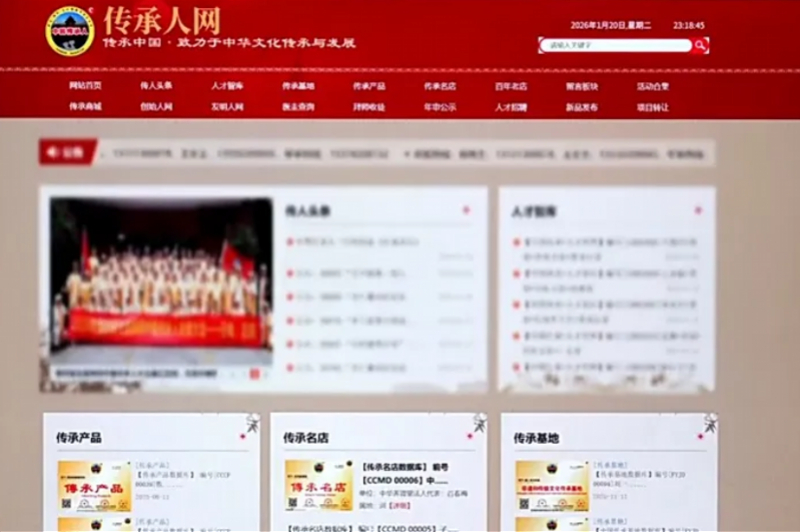
Translation: "Inheritance Network website, which offered fake intangible cultural heritage certifications for sale."
CCTV, China's state broadcaster, exposed the scam, leading to the immediate shutdown of the website by Chengdu authorities. The Ministry of Culture and Tourism clarified that official ICH certifications are free and require a rigorous evaluation process involving expert panels and public feedback. Fake certificates not only defraud individuals but also erode the credibility of genuine ICH practitioners, who spend years mastering their crafts.
Platforms Face Heavy Fines for Content Laxity
Major tech platforms are also under scrutiny. Kuaishou, a leading short-video app, was fined 1.191 billion yuan ($169 million) for failing to remove illegal content, including pornography and low-quality videos. The penalty, imposed by Beijing's internet regulator, highlighted the platform's neglect of its duty to monitor user-generated content.
Translation: "CCTV News: Kuaishou fined 1.191 billion yuan for violating internet regulations."
The regulator noted that Kuaishou had not taken timely action to remove harmful content, despite repeated warnings. The fine is part of a broader effort to clean up China's online ecosystem and hold platforms accountable for the content they host.
Government Response and Public Backlash
Authorities have emphasized that the crackdown is part of a larger campaign to create a "clear and positive" online environment. The Ministry of Public Security has warned that spreading rumors, especially those that cause public panic, will result in legal consequences, including criminal detention in severe cases.
Public reaction on Weibo has been mixed, with many users supporting the crackdown. One user commented: "Fake news wastes public resources and damages social trust. It's good that the government is taking action." Others expressed concern about overregulation, but most agreed that false information needs to be curbed.
Conclusion
China's recent actions signal a zero-tolerance approach to online misinformation and fraud. By targeting both individual users and platforms, authorities aim to restore trust in digital spaces and protect vulnerable groups, such as ICH practitioners and the public from harmful rumors. As the crackdown continues, the message is clear: the internet is not a free-for-all, and those who exploit it for personal gain will face serious consequences.
Related Articles

Why Weibo and Xiaohongshu Are Talking About Japan's Deep-Sea Rare Earth—But Saying Very Different Things
By Trending on Weibo
News & Politics
2 Mar 2026
How Iran Nuclear Negotiations Unfolded on Chinese Social Media
By Trending on Weibo
News & Politics
28 Feb 2026

How a Gold Bracelet Sale by a Minor Unfolded on Chinese Social Media
By Trending on Weibo
News & Politics
28 Feb 2026
How a 'Poisoned Baby Cabbage' Scandal Unfolded on Chinese Social Media
By Trending on Weibo
News & Politics
28 Feb 2026

Bill Gates Denies Epstein Allegations as Ex-Wife Melinda Speaks Out
By Trending on Weibo
News & Politics
17 Feb 2026