How the Gold and Silver Price Volatility Unfolded on Chinese Social Media
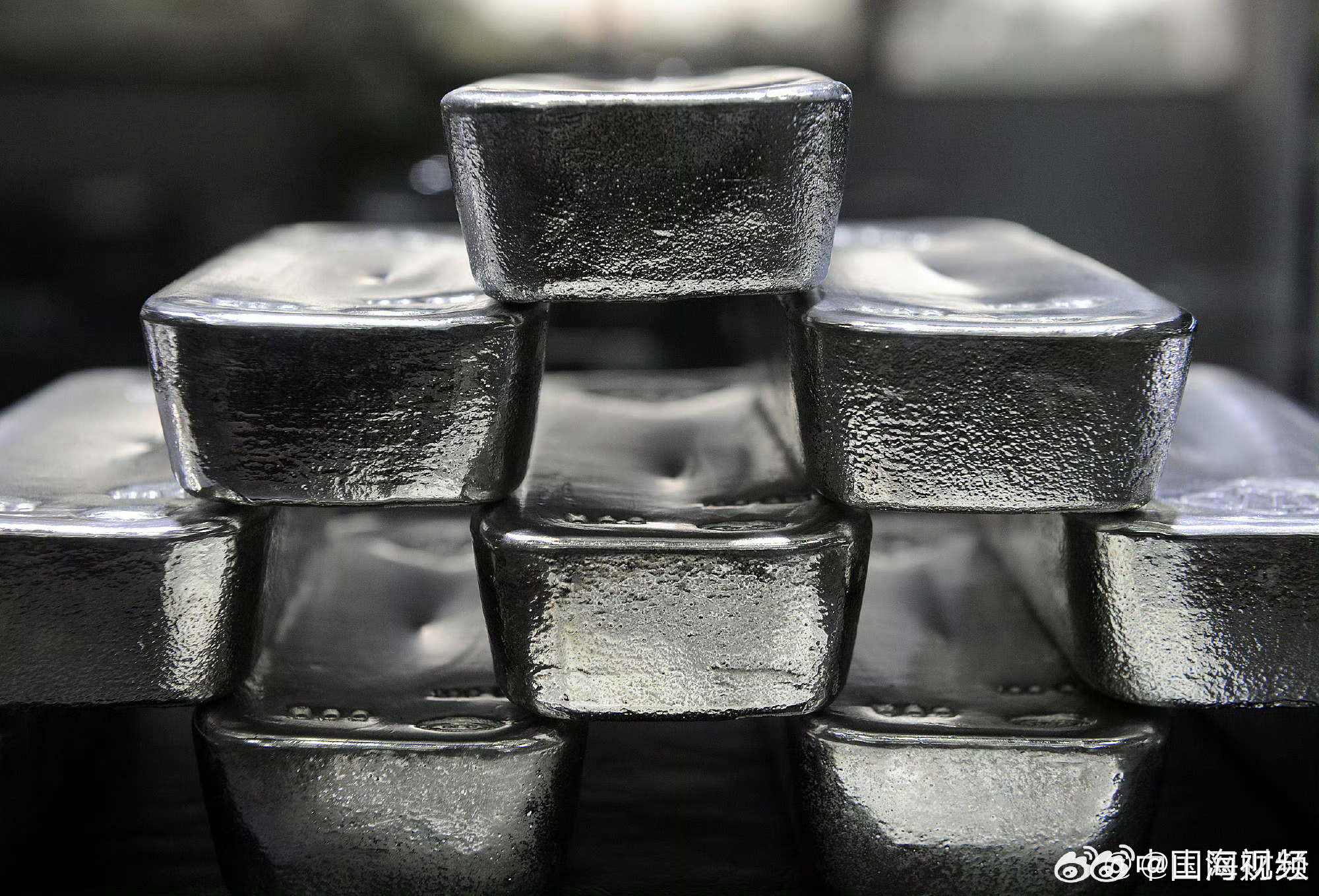
In early February 2026, a historic plunge in gold and silver prices—gold falling below $4,700 an ounce and silver crashing 31% in a single day—ignited a firestorm of discussion on Chinese social media. The volatility, the biggest in decades, turned the platforms into a real-time diary of investor panic, profit-taking, and confusion, reflecting the global market's shockwaves.
28 February 2026
In early February 2026, a historic plunge in gold and silver prices—gold falling below $4,700 an ounce and silver crashing 31% in a single day—ignited a firestorm of discussion on Chinese social media. The volatility, the biggest in decades, turned the platforms into a real-time diary of investor panic, profit-taking, and confusion, reflecting the global market's shockwaves.
The Emergence: A Sudden Crash Sparks Panic
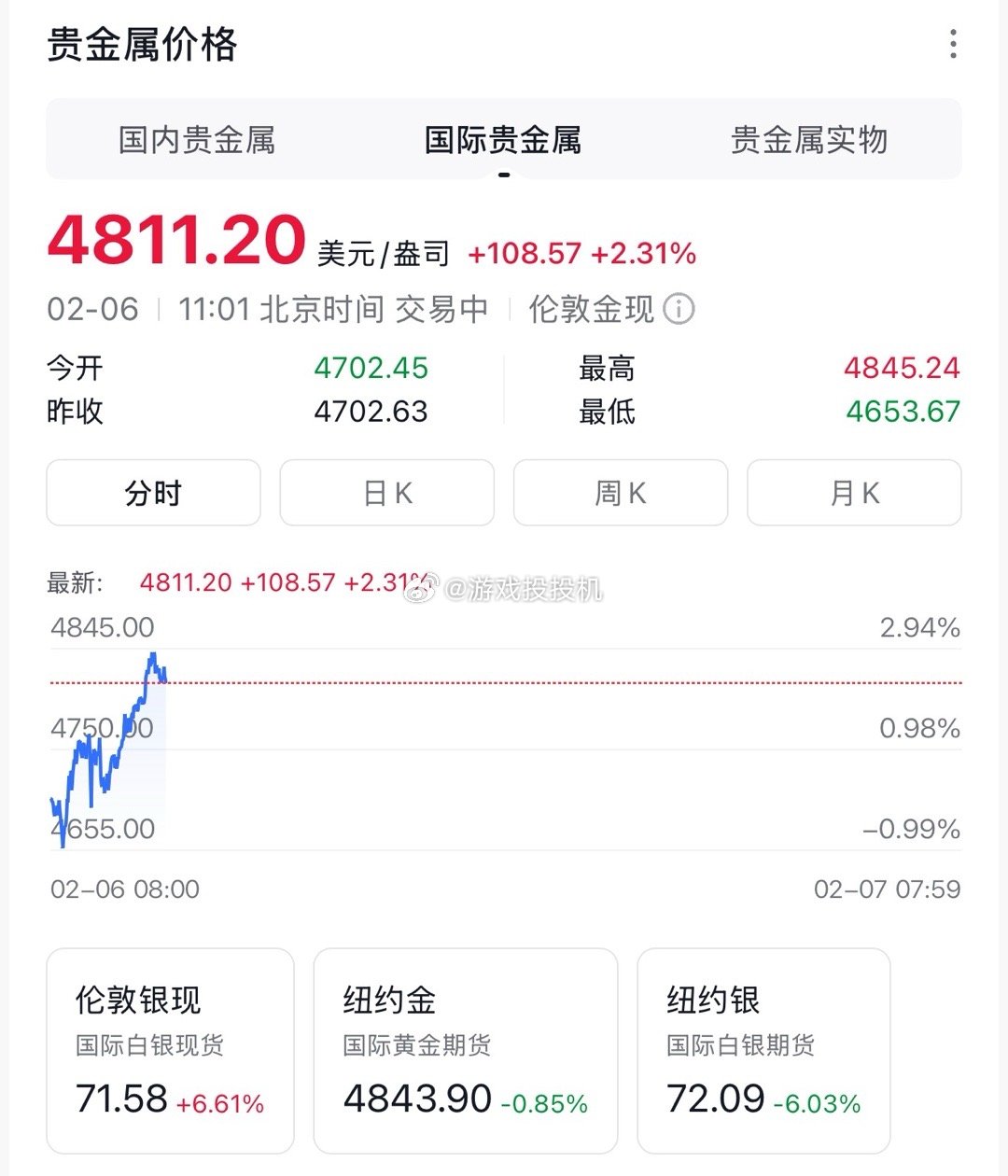
The conversation began on the night of January 30, 2026, as international markets closed. By February 1, Chinese social media was ablaze with posts about the "gold and silver crash." Early tweets highlighted the scale: "现货黄金失守4700美元,黄金白银又跌麻了" (Spot gold falls below $4,700, gold and silver are crashing). The panic was palpable, with users sharing screenshots of their trading apps showing red numbers and lamenting losses. One user, @小圆祈愿中, wrote: "国内多地金店回收柜台被排队变现的人群挤爆" (Recycling counters at gold shops across the country are crowded with people selling for cash).
The Peak: Historic Drops and Market Chaos
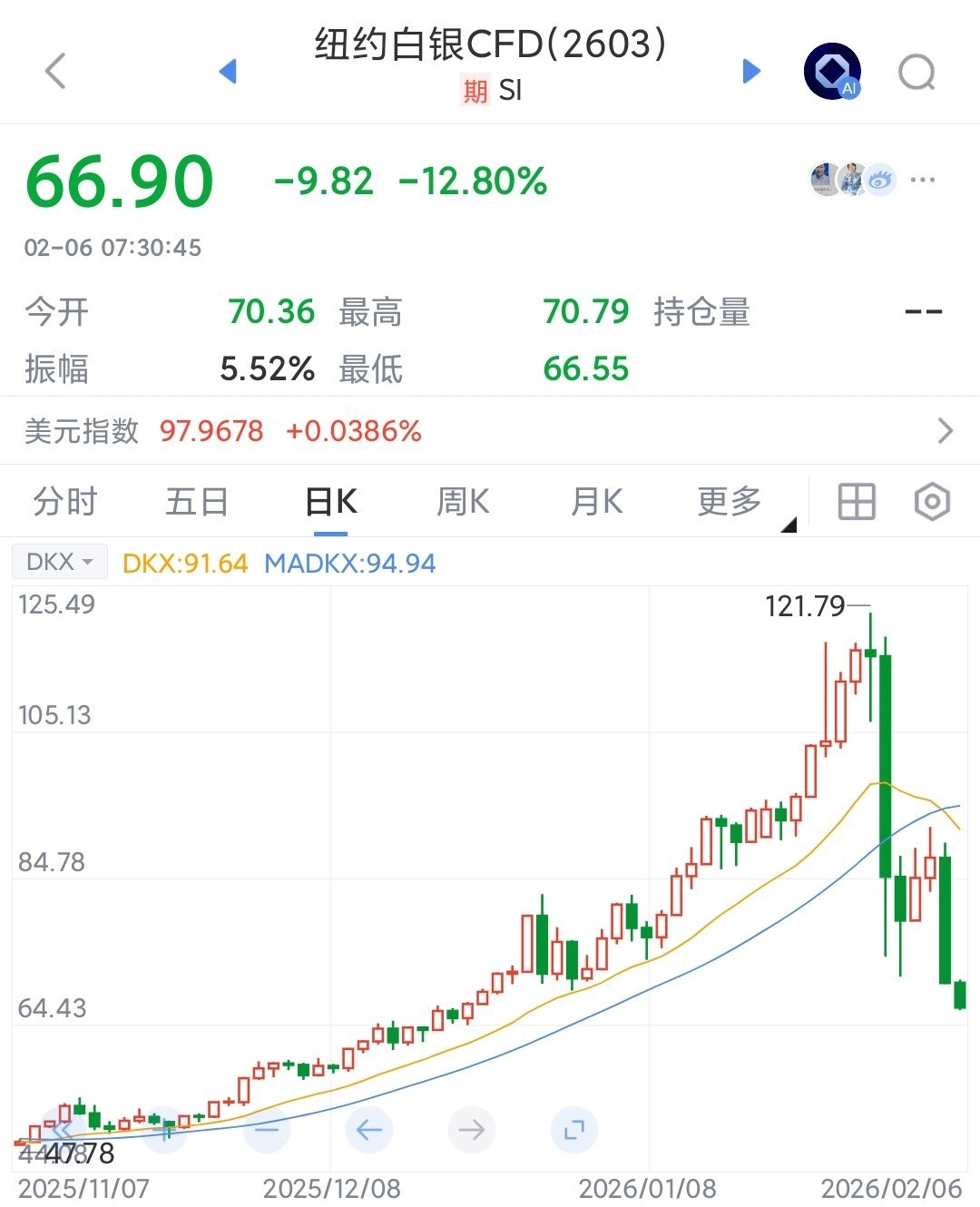
The peak of the discussion came on February 1-2, 2026, when 39 documents flooded the platforms. The numbers were staggering: COMEX gold futures fell 8.35% to $4,907.50, while silver plunged 25.50% to $85.25—its worst single-day performance since 1980. The hashtag #黄金白银一夜跌爆 (Gold and silver crash overnight) trended, with users sharing news articles and personal stories. A post from @央视财经 noted: "白银因市场体量小、流动性低,波动性远大于黄金" (Silver, with smaller market size and lower liquidity, is more volatile than gold). The chaos extended to retail: "金价28分钟内暴跌380美元" (Gold price drops $380 in 28 minutes), as one user @在圈里收瓜 recalled.
The Inflection Point: A V-Shaped Recovery and Lingering Doubt
Just as panic peaked, a surprising reversal emerged. On February 3, gold and silver staged a dramatic V-shaped recovery, with silver gaining 12% and gold 6.26%—erasing the previous day's losses. The hashtag #金银V型反转 (Gold and silver V-shaped reversal) trended, with users debating whether it was a bounce or a new bull run. However, the volatility didn't end there. On February 5, silver dropped another 15%, and gold fell 3%, reigniting fears. A user @鍋盖頭司令 summed up the confusion: "已经搞不清黄金在涨还是跌" (Can't tell if gold is going up or down anymore).
The Aftermath: Cautious Optimism and Lasting Lessons
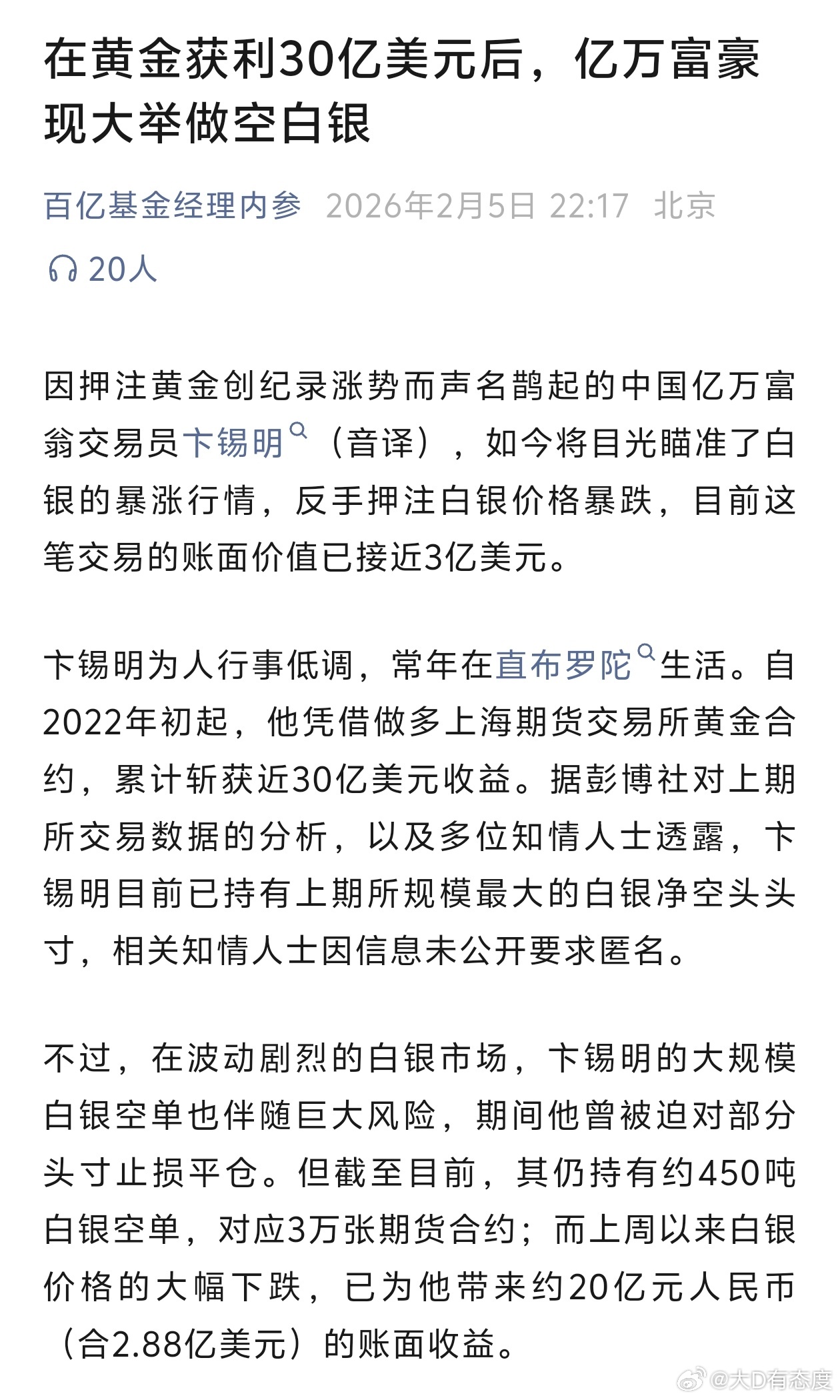
By mid-February, the discussion began to fade, but the impact lingered. Retail investors, burned by the volatility, became more cautious. One user @科技新一 declared: "我已经戒掉黄金、白银、股票了,踏踏实实工作" (I've quit gold, silver, stocks—back to working steadily). Meanwhile, institutional players made headlines: a Chinese billionaire, 边锡民 (Bian Ximin), reportedly made $200 million by shorting silver, highlighting the role of big money in the market. The conversation shifted to lessons learned: "投资有风险,交易还需谨慎" (Investing is risky, trade with caution).
Conclusion: A Reminder of Market Volatility
The gold and silver volatility of early 2026 served as a stark reminder of how quickly markets can turn—and how social media captures the human side of finance. From panic to hope, the posts told a story of investors navigating uncertainty, with the hashtag #白银跌麻了 (Silver is crashing) becoming a symbol of the era's market turbulence. As prices stabilized, the discussion faded, but the lessons—about risk, leverage, and the unpredictability of markets—remained.

Related Articles
How the Gold and Silver Price Volatility Unfolded on Chinese Social Media
By Trending on Weibo
28 Feb 2026

How Gold's Valuation Debate Unfolded on Chinese Social Media
By Trending on Weibo
28 Feb 2026
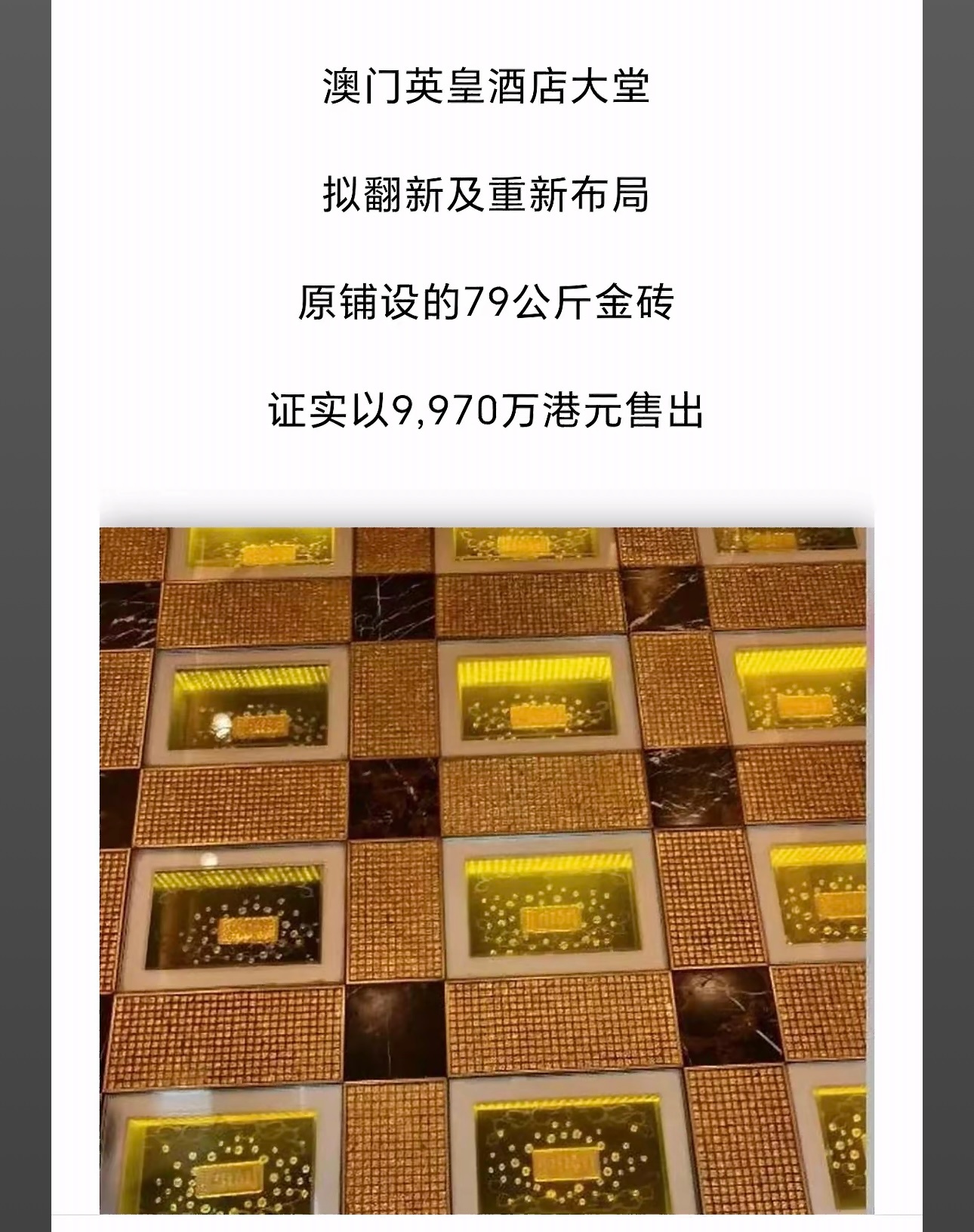
Macau's Emperor Hotel Sells 79kg of Gold Floor Tiles for Nearly $1 Billion, Raking in $90 Million Profit
By Trending on Weibo
17 Feb 2026
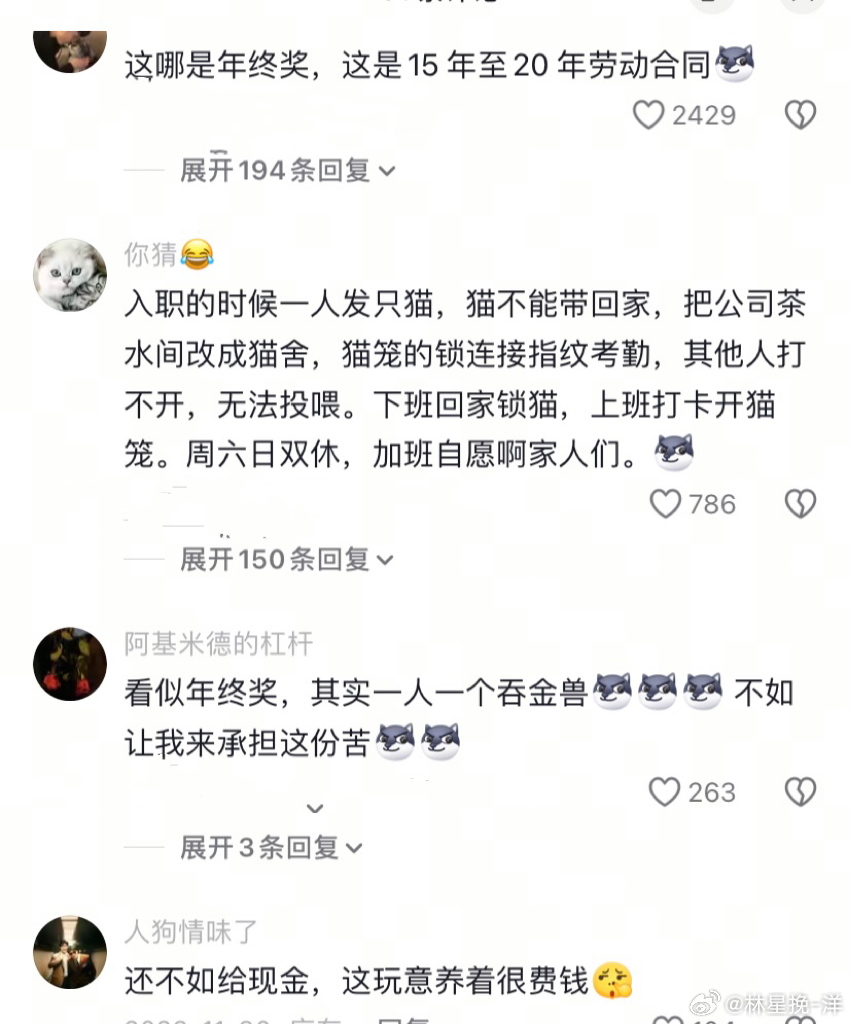
The Great Annual Bonus Divide: How China's Workers Are Reacting to Year-End Paydays
By Trending on Weibo
17 Feb 2026
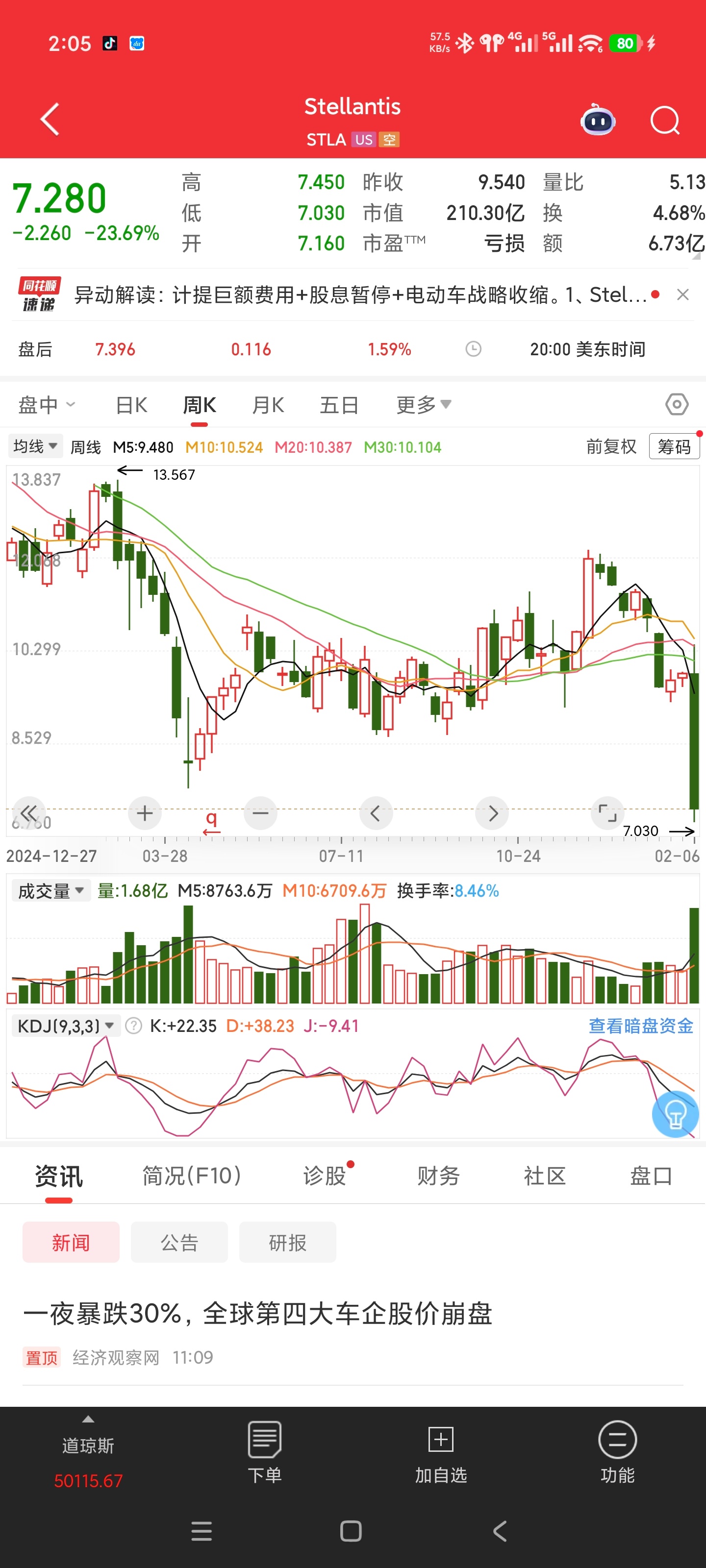
Stellantis' Electric Vehicle Misstep: Global Fourth-Largest Carmaker Plunges After $240 Billion Write-Down
By Trending on Weibo
16 Feb 2026