Stellantis' Electric Vehicle Misstep: Global Fourth-Largest Carmaker Plunges After $240 Billion Write-Down
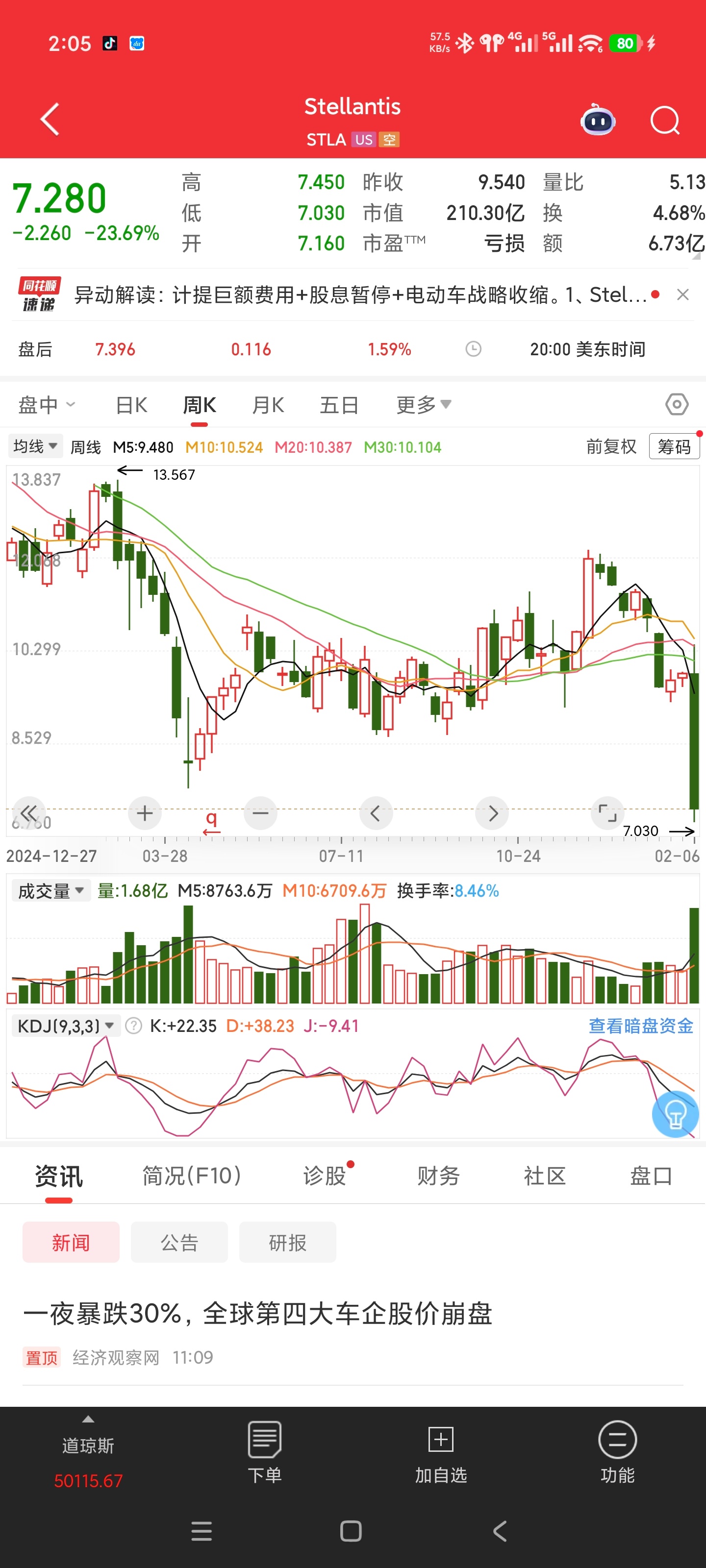
The global automotive industry was jolted on February 6, 2026, when Stellantis, the world’s fourth-largest carmaker, announced a staggering $240 billion (222 billion euro) write-down on its electric vehicle (EV) strategy, sending its stock plummeting by up to 30% in a single day. The move, which CEO Carlos Tavares admitted was driven by an overestimation of the speed of the EV transition, has raised alarms about the financial risks of aggressive electrification and the challenges facing traditional automakers in a rapidly changing market.
16 February 2026
The global automotive industry was jolted on February 6, 2026, when Stellantis, the world’s fourth-largest carmaker, announced a staggering $240 billion (222 billion euro) write-down on its electric vehicle (EV) strategy, sending its stock plummeting by up to 30% in a single day. The move, which CEO Carlos Tavares admitted was driven by an overestimation of the speed of the EV transition, has raised alarms about the financial risks of aggressive electrification and the challenges facing traditional automakers in a rapidly changing market.
The Shockwaves: Stellantis' Sudden Collapse
On February 6, 2026, Stellantis, the conglomerate formed by the merger of Fiat Chrysler Automobiles (FCA) and PSA Group, revealed a seismic shift in its strategy. The company, which ranks fourth globally in vehicle sales, disclosed a massive write-down of 222 billion euros (approximately $240 billion) related to its EV business. The news sent its stock tumbling: in the U.S., shares fell 23.79%, while in Europe, they dropped 25.24%—a single-day loss that erased billions in market value. Stellantis also warned of a 2025 second-half loss of 190-210 billion euros (about $205-227 billion), prompting it to suspend dividends and seek $50 billion in financing to stabilize its balance sheet.
What Happened? The Numbers and the Admission
Stellantis’ CEO Carlos Tavares admitted the company had "overestimated the speed of the energy transition," a candid acknowledgment of a strategic misstep. The write-down was split into three main areas: $147 billion for adjusting product plans to align with customer demand and new U.S. emissions regulations, $21 billion for restructuring its EV supply chain (including scaling back battery manufacturing), and $54 billion for other costs like warranty provisions and European layoffs. The move effectively halts the company’s aggressive EV expansion, a pivot that reflects both slowing demand for EVs in key markets and the crushing cost of building out battery infrastructure.
The "Failure Alliance": Stellantis' Brand Portfolio
Stellantis is home to 14 iconic brands, including Jeep, Maserati, Peugeot, Citroën, and Chrysler. However, many of these brands have struggled to gain traction in the EV market, and their traditional strengths—like Jeep’s SUVs or Maserati’s luxury sedans—have been overshadowed by the rise of Chinese and other global EV competitors. Chinese social media users have dubbed the group the "Failure Alliance" (失败者联盟), a nickname that highlights the perceived underperformance of its brands in the new era of electrification.
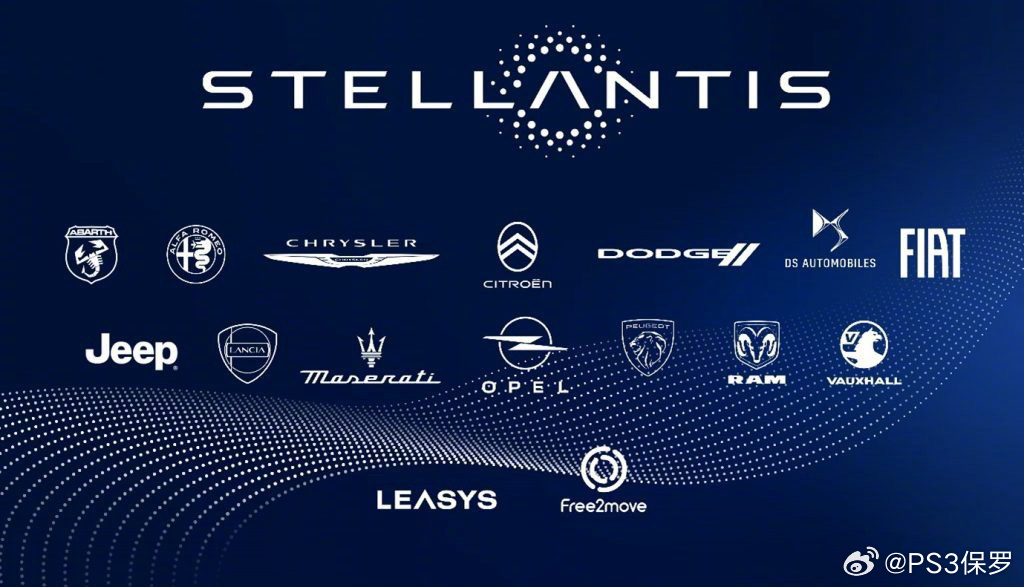
Stellantis’ brand portfolio includes 14 iconic names, but many have struggled to adapt to the EV transition.
Why Did This Happen? EV Strategy and Market Realities
The crisis stems from a combination of factors: overinvestment in EV technology that didn’t match consumer demand, rising battery costs, and intense competition from Chinese EV makers, who have dominated the global market with cheaper, more innovative models. Stellantis also faces challenges in its core markets: Europe’s EV demand has slowed, while the U.S. market remains dominated by traditional SUVs and trucks. The company’s decision to retreat from EVs is a stark contrast to the aggressive strategies of rivals like Tesla and Chinese firms, which have bet heavily on electrification.
Industry Reactions and Broader Implications
The news has sent shockwaves through the auto industry, with analysts warning that Stellantis’ struggles could be a harbinger of more pain for traditional automakers. "This is a wake-up call for the entire industry," said one automotive analyst. "The EV transition is not just about technology—it’s about understanding consumer needs and managing costs. Stellantis’ mistake was betting too big, too fast."
Chinese social media users have been particularly vocal, with many pointing to China’s dominance in the EV market as a key reason for Stellantis’ downfall.
"Ignore the Chinese market, and this is what happens," said Weibo user @张佳ZHJ. "China’s EV brands are unbeatable."
Others drew parallels to the collapse of tech giants like Nokia and Motorola.
"This feels just like Nokia and Motorola in their final days—afraid to embrace the new era but clinging to the old," commented Weibo user @GeeK老王.

Chinese media coverage of Stellantis’ financial crisis emphasizes the scale of the loss and the company’s EV strategy missteps.
What’s Next for Stellantis?
Stellantis has announced plans to refocus on its profitable segments, including Ram trucks and Jeep SUVs, while scaling back EV production. The company will also seek to raise capital through bond issuance to shore up its finances. However, the road ahead is uncertain, as the auto industry continues to grapple with the challenges of electrification, supply chain disruptions, and changing consumer preferences.
The Stellantis crisis is a reminder that in the race to the future, even the biggest players can stumble. As the industry evolves, the ability to adapt quickly and pragmatically will be the difference between survival and obsolescence.
Related Articles

How the Gold and Silver Price Volatility Unfolded on Chinese Social Media
By Trending on Weibo
28 Feb 2026

How Gold's Valuation Debate Unfolded on Chinese Social Media
By Trending on Weibo
28 Feb 2026
Macau's Emperor Hotel Sells 79kg of Gold Floor Tiles for Nearly $1 Billion, Raking in $90 Million Profit
By Trending on Weibo
17 Feb 2026
The Great Annual Bonus Divide: How China's Workers Are Reacting to Year-End Paydays
By Trending on Weibo
17 Feb 2026
Stellantis' Electric Vehicle Misstep: Global Fourth-Largest Carmaker Plunges After $240 Billion Write-Down
By Trending on Weibo
16 Feb 2026