How Iran Nuclear Negotiations Unfolded on Chinese Social Media
In early February 2026, Chinese social media saw a dramatic shift in the conversation about Iran, moving from fears of an imminent U.S. military strike to the surprise announcement of nuclear negotiations. This article traces the lifecycle of the discussion, from initial anxiety sparked by Serbian President Vučić's comments, through the peak of engagement with the negotiation announcement, to the subsequent shift towards cautious optimism and lingering skepticism.
28 February 2026
How Iran Nuclear Negotiations Unfolded on Chinese Social Media
In the early days of February 2026, Chinese social media platforms were abuzz with speculation about a potential military conflict in the Middle East. The narrative, however, took a dramatic turn, shifting from the brink of war to the possibility of diplomacy, all within a matter of days. This article reconstructs the lifecycle of the discussion surrounding Iran, U.S. negotiations, and the nuclear issue as it unfolded on Chinese social media.
The Spark: Fear of Imminent Conflict
The conversation began on February 1st, fueled by comments from Serbian President Aleksandar Vučić, who predicted a military strike on Iran within 48 hours. This initial spark ignited a wave of concern and speculation across Chinese social media. Users reacted with a mix of anxiety and cynicism, linking the potential conflict to the unfolding Epstein case in the U.S. and questioning the motives behind any military action.
"听我一句劝!打伊朗吧!" (Listen to me, just attack Iran!) - A user's sarcastic plea.
The tension was palpable. Users discussed the potential for a "regional full-scale war" and the devastating consequences it could have. The mood was one of apprehension, with many fearing the worst.
The Inflection Point: A Surprise Diplomatic Move
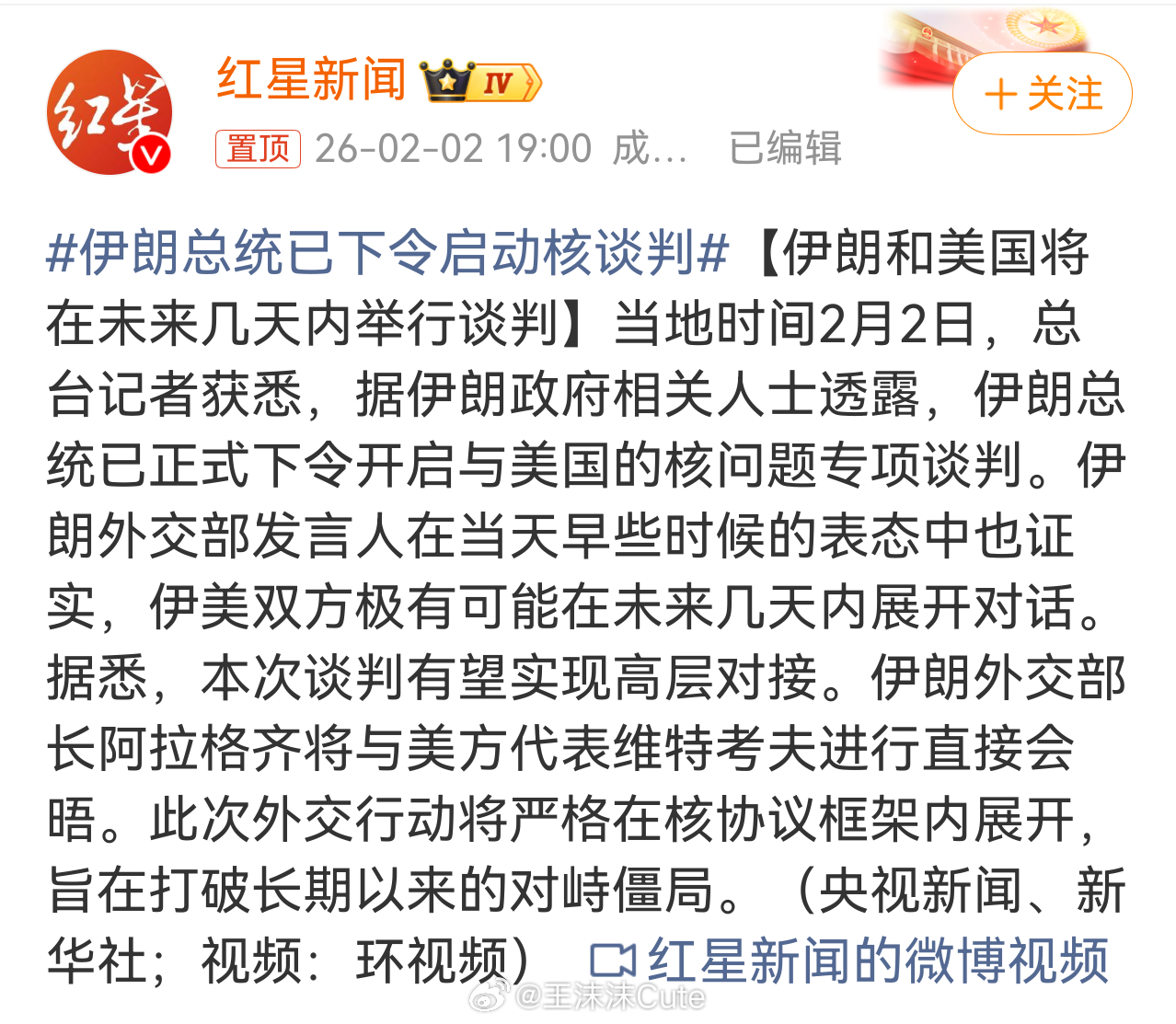
The narrative took a sharp turn on February 2nd. The peak of the discussion was triggered by the unexpected announcement that Iran's President had ordered the initiation of nuclear negotiations with the United States. This news, confirmed by Iranian state media and reported by outlets like CCTV and Xinhua, completely changed the direction of the conversation. The hashtag #伊朗总统已下令启动核谈判# (Iranian President Orders Initiation of Nuclear Negotiations) quickly trended.
This announcement was met with a mix of surprise, cautious optimism, and skepticism. Many users expressed relief that a diplomatic path was being pursued, while others remained doubtful about the prospects of a successful agreement, given the long history of failed negotiations.
"伊朗表面上很强硬,但是面对美国的咄咄紧逼,不得不选择性妥协,俗话就是怂了。" (Iran appears tough on the surface, but facing the U.S.'s aggressive pressure, it had to make a selective compromise, in layman's terms, they chickened out.) - A user's analysis of Iran's decision.
The Shift: From War to Diplomacy
Following the announcement, the conversation shifted from the imminent threat of war to the complexities of the upcoming negotiations. Users began to analyze the potential sticking points, such as Iran's demands for the lifting of sanctions and the U.S.'s insistence on limiting Iran's missile program. There was a sense of cautious optimism, with some hoping that this time, a deal might be reached.
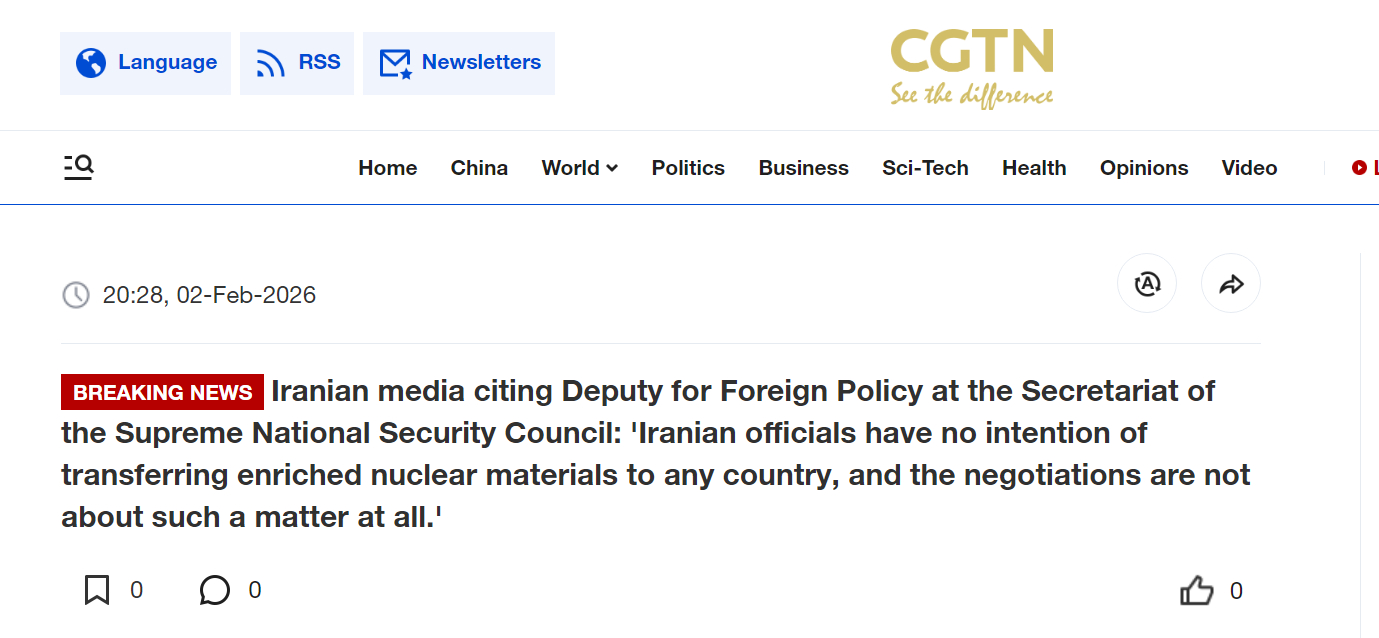
However, the underlying tension remained. The presence of U.S. military assets in the region and the U.S. government's subsequent warning for American citizens to leave Iran kept the fear of conflict alive.
The Aftermath: Lingering Tensions and Skepticism
As the initial shock of the announcement wore off, the conversation on Chinese social media began to fade. The peak engagement had passed, and the focus shifted to other global events. However, the underlying skepticism and concern about the region's stability persisted. Users continued to discuss the potential for the negotiations to succeed or fail, with many expressing doubt about the long-term prospects for peace.
The narrative arc on Chinese social media reflected the volatile nature of international relations. What began as a discussion about the potential for war ended with a focus on the fragile hope of diplomacy, showcasing the power of social media to rapidly shift public discourse in response to global events.
Related Articles
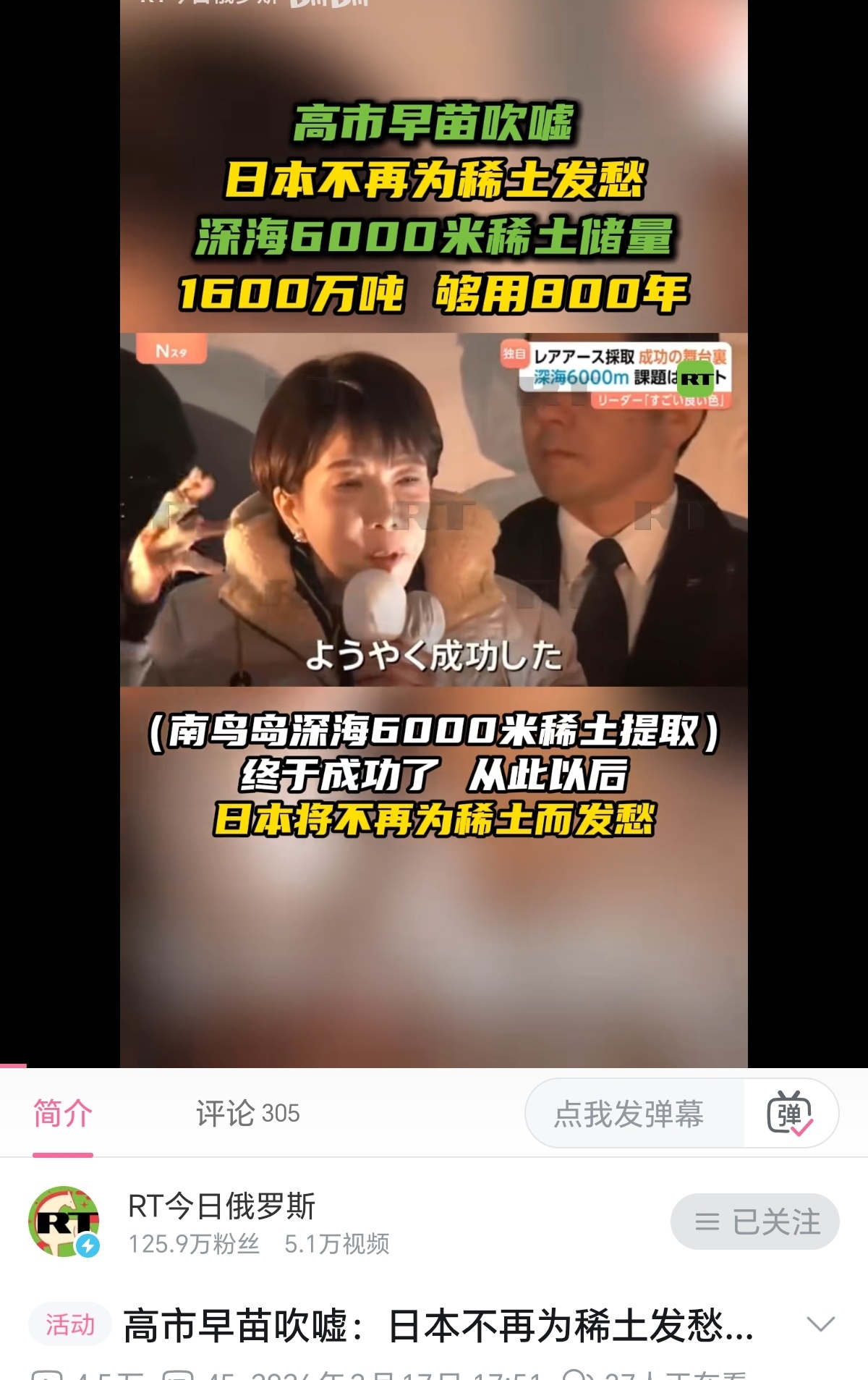
Why Weibo and Xiaohongshu Are Talking About Japan's Deep-Sea Rare Earth—But Saying Very Different Things
By Trending on Weibo
News & Politics
2 Mar 2026
How Iran Nuclear Negotiations Unfolded on Chinese Social Media
By Trending on Weibo
News & Politics
28 Feb 2026
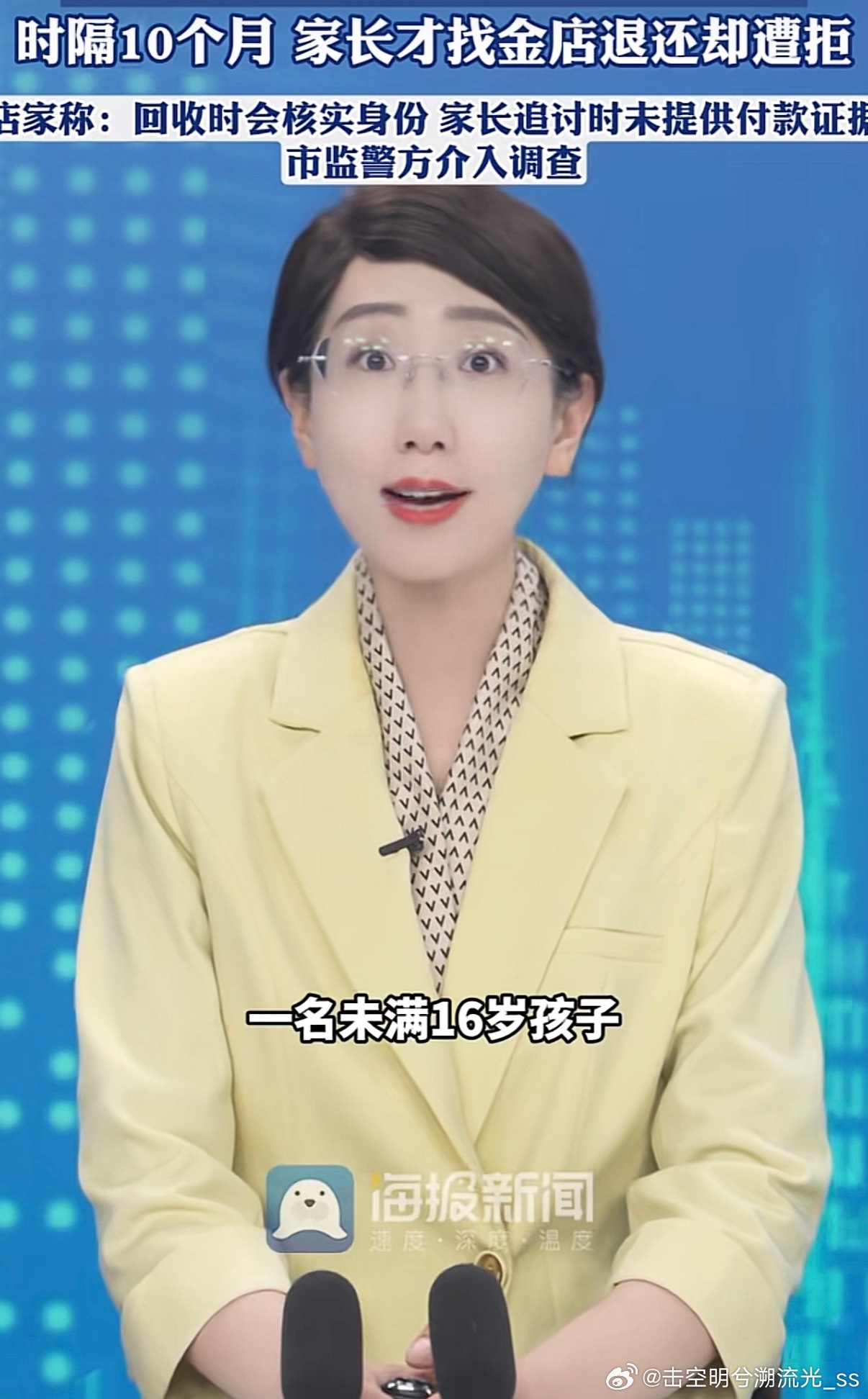
How a Gold Bracelet Sale by a Minor Unfolded on Chinese Social Media
By Trending on Weibo
News & Politics
28 Feb 2026
How a 'Poisoned Baby Cabbage' Scandal Unfolded on Chinese Social Media
By Trending on Weibo
News & Politics
28 Feb 2026
Bill Gates Denies Epstein Allegations as Ex-Wife Melinda Speaks Out
By Trending on Weibo
News & Politics
17 Feb 2026