Controversy Swirls Over Use of Cadaver Fat in US Cosmetic Procedures
A growing controversy is brewing in the United States over the use of cadaver fat in cosmetic procedures, raising ethical questions about the source and use of human remains in aesthetic medicine.

21 January 2026
The Controversy Over Cadaver Fat in US Cosmetic Procedures
A growing controversy is brewing in the United States over the use of cadaver fat in cosmetic procedures, raising ethical questions about the source and use of human remains in aesthetic medicine.
The Practice of Using Cadaver Fat
In recent years, the use of fat grafting in cosmetic procedures has gained popularity. Fat grafting, also known as fat transfer or lipofilling, involves harvesting fat from one part of the body and injecting it into another area to enhance volume or contour.
While autologous fat grafting (using the patient's own fat) is common, some practitioners have been using cadaver fat—fat harvested from deceased donors—for cosmetic procedures.
Ethical Concerns and Public Reaction
The practice of using cadaver fat in cosmetic procedures has sparked significant ethical concerns and public backlash.
Many people find the idea of using human remains for aesthetic purposes disturbing and disrespectful to the deceased and their families.
Social media platforms have been abuzz with discussions and reactions to the controversy. Many users have expressed shock and disgust at the practice.
"This is absolutely shocking! The company has been lying to us all along." - Weibo user reaction
"Really? Using fat from corpses for breast and buttock enhancements? Won't there be rejection issues when someone else's fat is injected into your body?" - Weibo user questioning the safety of the procedure
Regulatory and Industry Response
The controversy has also drawn attention from regulatory bodies and the medical industry.
The U.S. Food and Drug Administration (FDA) has not explicitly approved the use of cadaver fat for cosmetic procedures. The FDA regulates human cells, tissues, and cellular and tissue-based products (HCT/Ps) under the Public Health Service Act.
For a product to be legally marketed as an HCT/P, it must meet certain criteria, including being manufactured under current good tissue practice (cGTP) conditions.
The use of cadaver fat for cosmetic procedures would likely fall under these regulations, requiring proper screening, testing, and processing of the tissue to ensure safety.

Historical Context and Similar Controversies
The controversy over the use of cadaver fat in cosmetic procedures is not an isolated incident. The United States has a history of controversies surrounding the use of human remains in various contexts.
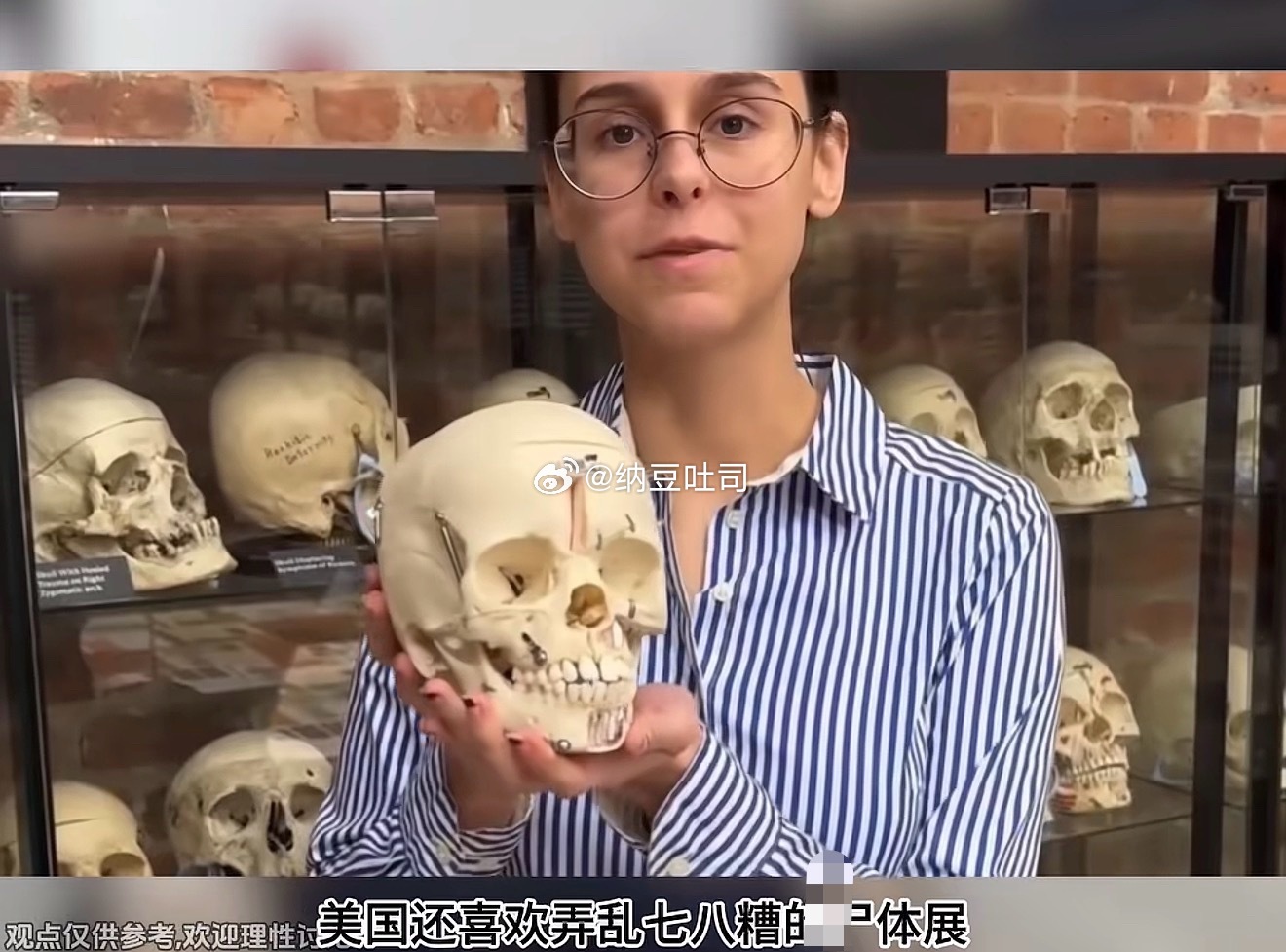
One notable example is the controversy surrounding the Body Worlds exhibition series, which features plastinated human bodies and body parts. The exhibitions have faced criticism and legal challenges regarding the source and consent for the use of the bodies.
Another example is the scandal involving the illegal harvesting and sale of human body parts by a Florida-based company in the early 2000s. The company, Biomedical Tissue Services, was found to have obtained body parts from donors without proper consent and sold them to medical device companies and tissue banks.
These historical examples highlight the ongoing challenges and ethical considerations surrounding the use of human remains in various contexts, including medical and cosmetic applications.
The Future of Cadaver Fat in Cosmetic Procedures
As the controversy over the use of cadaver fat in cosmetic procedures continues to unfold, the future of this practice remains uncertain.
Regulatory bodies, medical associations, and ethicists will likely continue to scrutinize the practice and consider potential regulatory changes or guidelines.
Public opinion and ethical considerations will also play a significant role in shaping the future of this practice. As more people become aware of the controversy and the ethical implications of using cadaver fat for cosmetic procedures, public pressure may influence regulatory decisions and industry practices.
In the meantime, patients considering cosmetic procedures involving fat grafting should be aware of the potential risks and ethical considerations associated with the use of cadaver fat. Patients should discuss the source and type of fat to be used with their healthcare provider and make informed decisions based on their individual circumstances and values.
Conclusion
The controversy over the use of cadaver fat in cosmetic procedures in the United States highlights the complex ethical, regulatory, and public relations challenges surrounding the use of human remains in medical and cosmetic applications.
As the debate continues, it is essential for all stakeholders, including regulatory bodies, medical professionals, ethicists, and the public, to engage in thoughtful and informed discussions about the ethical implications and appropriate use of human remains in various contexts.
Only through such dialogue and careful consideration of the ethical, legal, and social implications can we ensure that the use of human remains in medical and cosmetic applications is conducted in a manner that respects the dignity of the deceased, protects the safety and well-being of patients, and upholds the highest ethical standards in medicine and healthcare.
Related Articles
Controversy Swirls Over Use of Cadaver Fat in US Cosmetic Procedures
By Trending on Weibo
Health
21 Jan 2026
Bali Water Contamination Outbreak Raises Concerns Among Tourists and Locals
By Trending on Weibo
Health
18 Jan 2026

He Chaoying's Shocking Weight Loss Sparks Concern and Debate
By Trending on Weibo
Health
20 Sep 2024

Actress Ouyang Nini Overcomes Polycystic Ovary Syndrome to Become a Proud Mom-to-Be
By Trending on Weibo
Health
19 Sep 2024

Unveiling the Truth Behind China's Blood Donation Controversy
By Trending on Weibo
Health
29 Aug 2024