Gu Ailing's Triumph at the 2026 Olympics: A Story of Resilience After Life-Threatening Injuries
Freestyle skiing star Gu Ailing moved to tears after her first jump at the 2026 Winter Olympics, a powerful display of emotion following a grueling year of life-threatening injuries and a remarkable comeback. Her story of resilience, from a near-fatal head injury in 2025 to standing on the Olympic stage, has captivated audiences worldwide, highlighting the true meaning of perseverance in the face of adversity.
16 February 2026
Gu Ailing's Triumph at the 2026 Olympics: A Story of Resilience After Life-Threatening Injuries
In a moment of pure emotion, Gu Ailing, the celebrated freestyle skier, broke down in tears after her first jump at the 2026 Winter Olympics in Milan. The tears weren't just for the pressure of the competition, but a powerful release of the immense weight she has carried, a testament to her journey back from the brink of career-ending injuries. Her stunning performance secured her a top spot in the finals, but the story behind her return to the snow is one of extraordinary resilience and determination.
The scene at the Milan arena was electric. After a flawless first run, Gu Ailing embraced her competitors, then rushed into her mother's arms, visibly moved. As she turned away, she quickly wiped away the tears, but the moment captured the hearts of millions watching. Social media erupted with reactions, with users highlighting the raw emotion of the moment and the profound meaning behind her tears.
"The tears were a release of pressure, a testament to her love and persistence," one user commented, referencing the hashtag #谷爱凌第一跳后哭了# (Gu Ailing cried after her first jump).
But to understand the depth of that emotion, one must look back to 2025, a year Gu Ailing herself described as "the most difficult of her career." During training in Aspen, Colorado, she suffered a catastrophic fall, hitting her head on the hard snow. The consequences were severe: acute intracranial hemorrhage, a concussion, and a fractured collarbone. She was unconscious for five minutes and even experienced a seizure. Doctors warned that just ten more minutes without treatment could have been fatal. The recovery was grueling, involving ten hours of physical therapy each day, and she faced the terrifying fear that she might never ski again.
"I was afraid I would never be able to ski again," Gu Ailing revealed in an interview with Xinhua News Agency, her voice trembling with emotion.
The injuries didn't stop there. She also suffered from ankle sprains and a recurring collarbone fracture, compounding her physical and mental struggles. The pressure was immense, not just from the injuries themselves, but from the public scrutiny and the weight of expectations. She spoke of "collapsing and crying every day," using a "5-minute crying method" to manage her emotions before forcing herself to continue her rehabilitation.
Despite these overwhelming challenges, Gu Ailing refused to give up. Her mindset shifted from a relentless pursuit of victory to a profound respect for her body and the joy of simply being on the snow. She adopted new training methods, focusing on sensory simulation to reduce the risk of further injury. Her goal became not just to win, but to overcome her own limits and inspire others through her perseverance.
Her return to competitive skiing was not without further setbacks. Just six months after her initial injury, during a training session in New Zealand, she fell again, a stark reminder of the risks she continues to face. Yet, she persevered, stepping back onto the world stage in Milan with a renewed sense of purpose.
The public's reaction has been overwhelmingly supportive, with many drawing parallels between Gu Ailing's struggles and their own. Her story has become a powerful symbol of resilience, proving that true strength lies not in never falling, but in the courage to get back up every single time.
As Gu Ailing prepares for the finals, her journey serves as a powerful reminder of the human spirit's capacity to endure and triumph over adversity. Her tears in Milan were not just a victory celebration; they were a tribute to the pain, the fear, and the unyielding love for her sport that have defined her remarkable comeback.
The world watches, not just for the medals, but for the inspiring story of a athlete who has turned her darkest moments into a beacon of hope and determination.
Related Articles
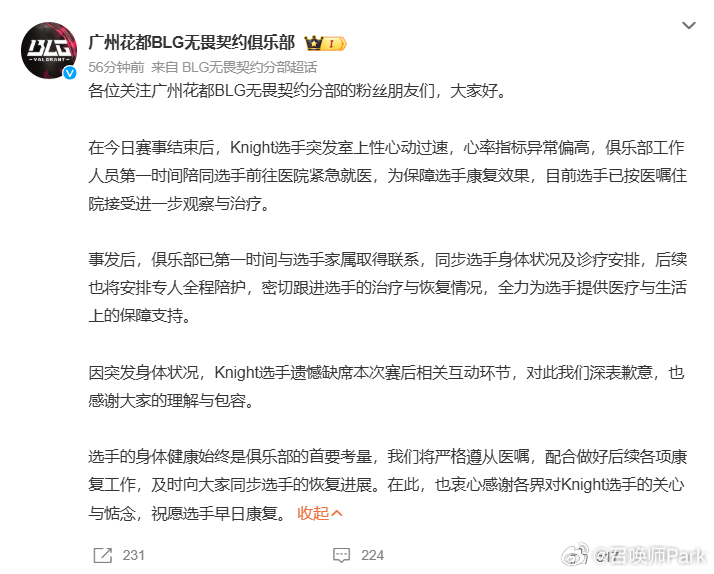
How the 'BLG vs. AL' Match Unfolded on Chinese Social Media
By Trending on Weibo
Sports
28 Feb 2026
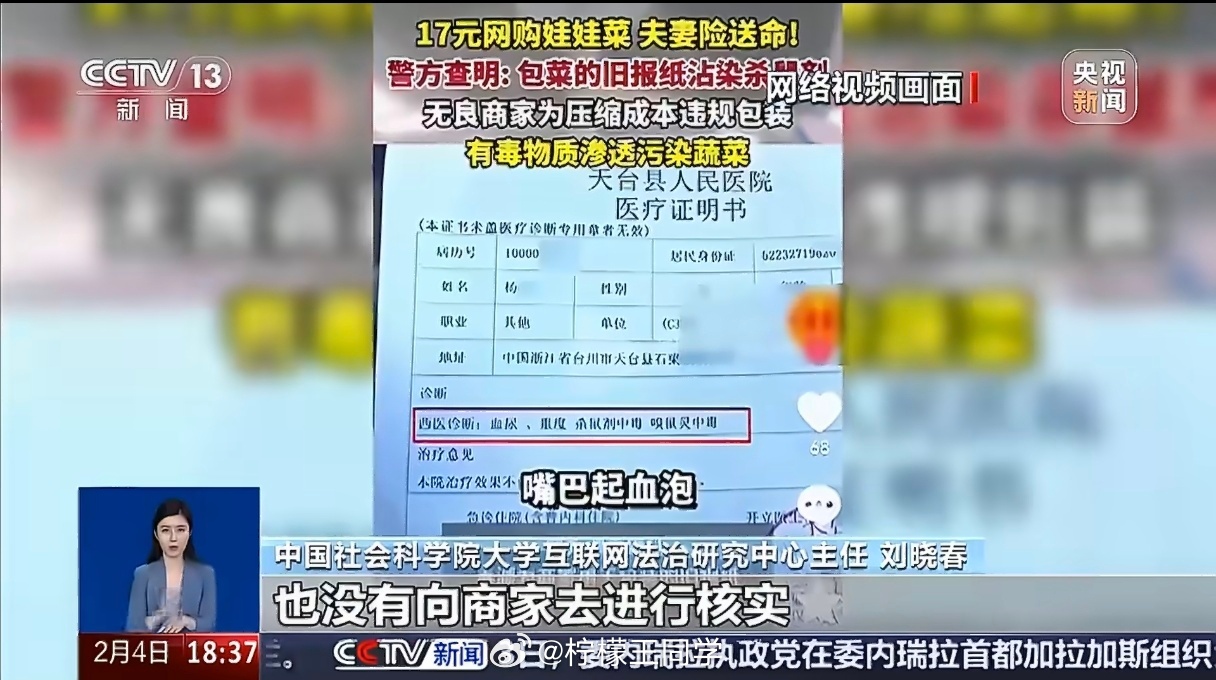
From Food Safety Scare to Extortion Scheme: The Bizarre Reversals of the 'Poisoned Baby Cabbage' Case
By Trending on Weibo
Sports
17 Feb 2026
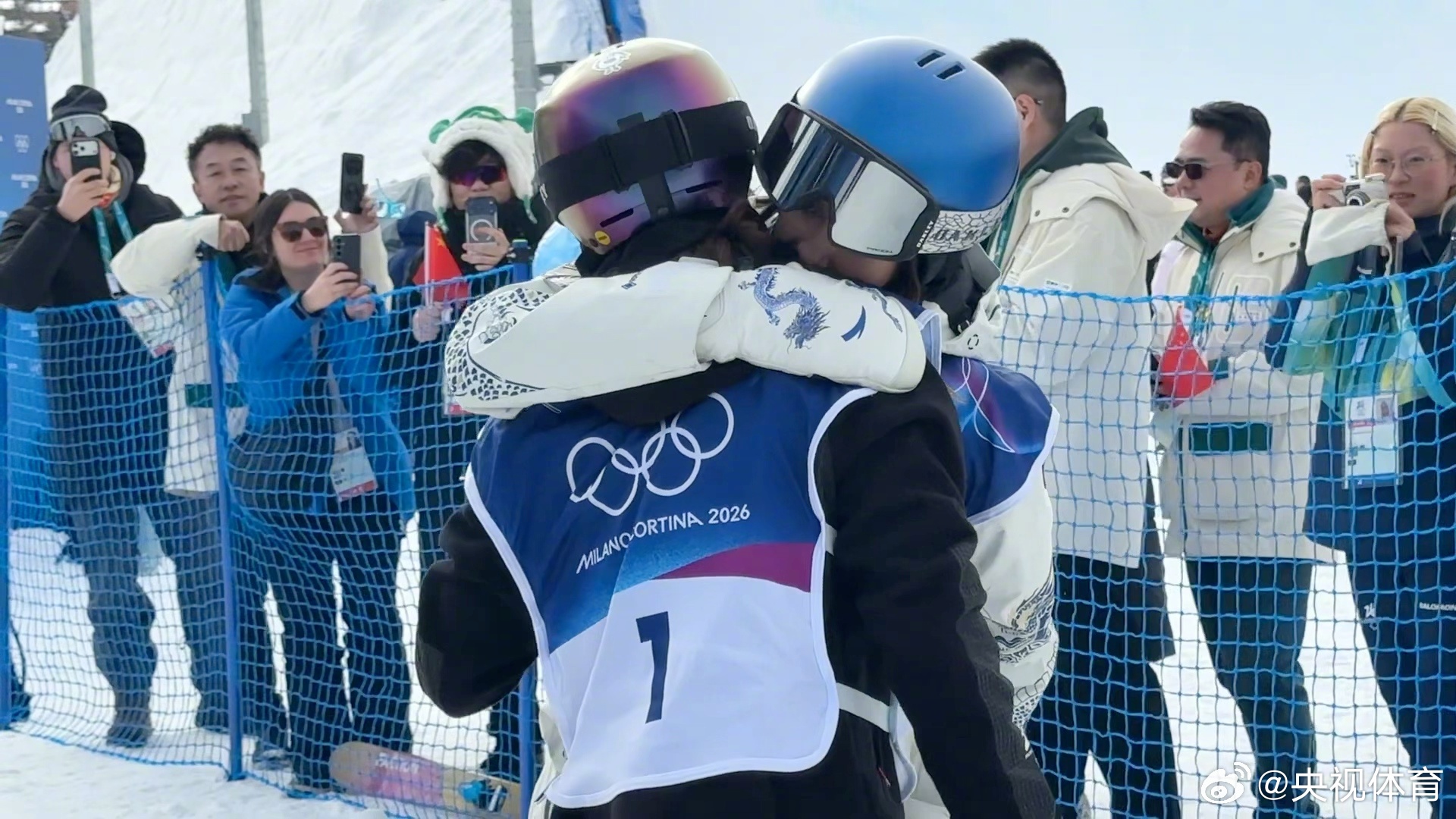
Eileen Gu Takes Silver in Milan Olympics Slopestyle, Emotions Run High After Fall and Comeback
By Trending on Weibo
Sports
17 Feb 2026
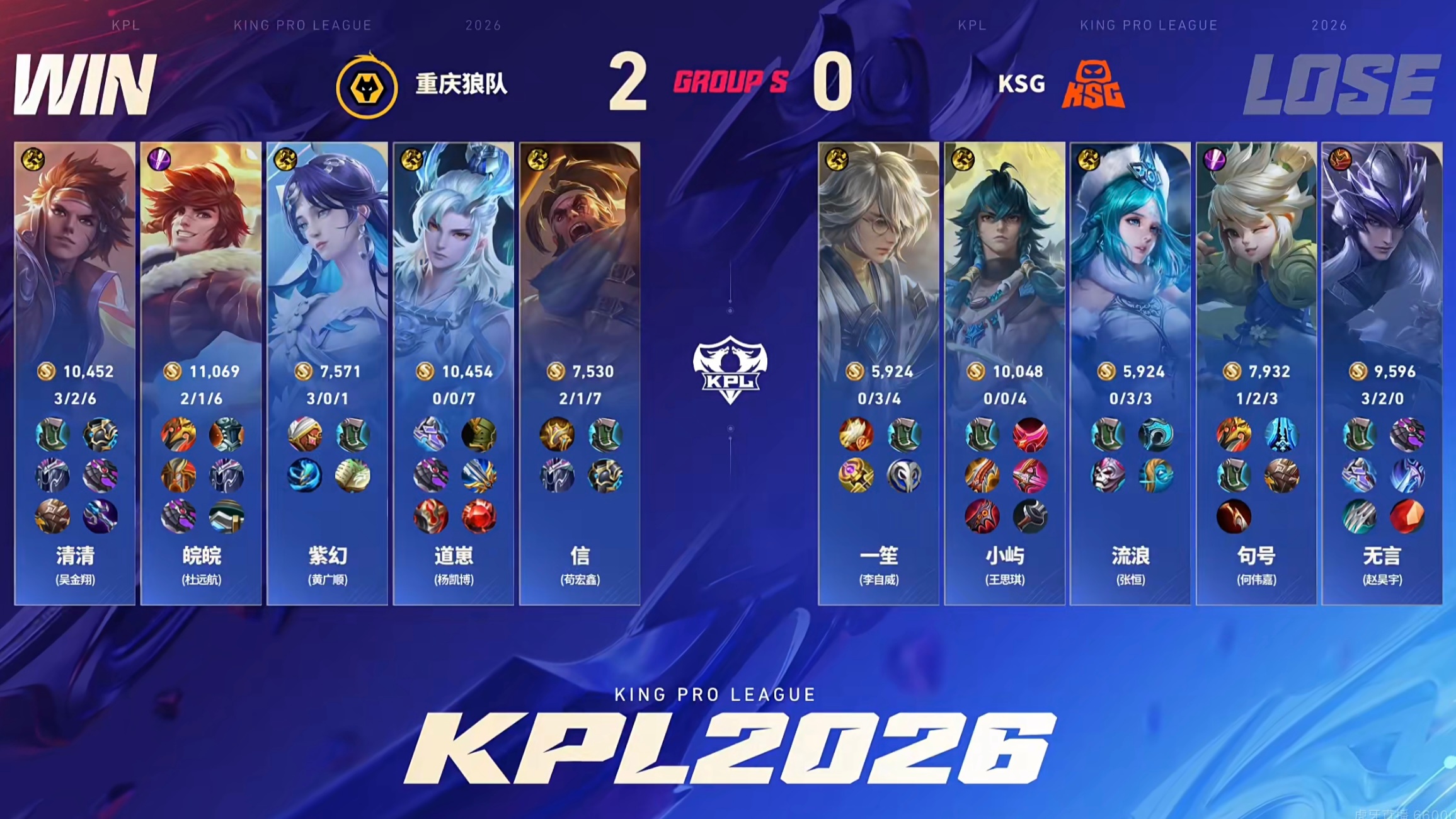
KPL and LPL Matches Highlight Dramatic Wins and Player Health Concerns
By Trending on Weibo
Sports
17 Feb 2026
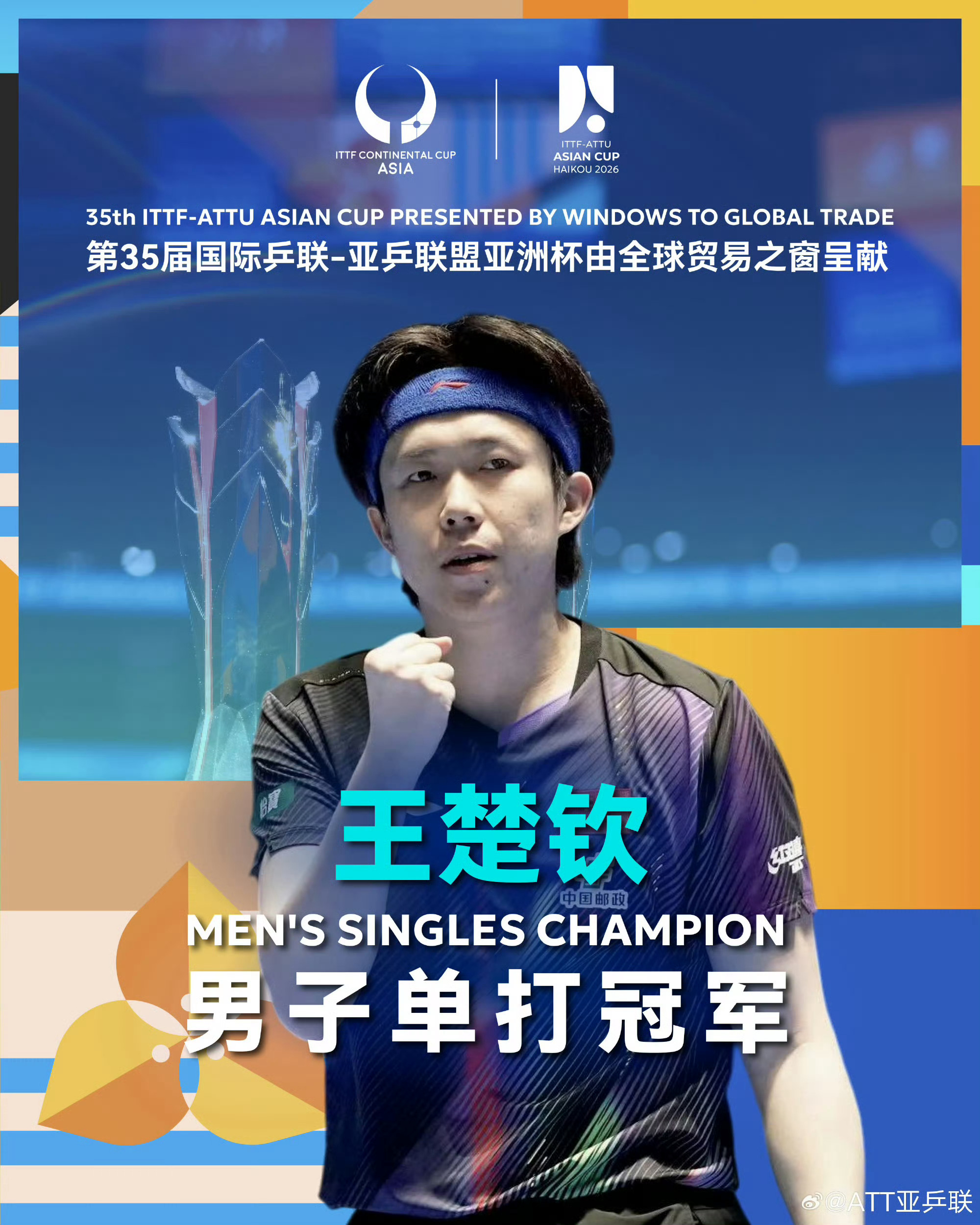
Wang Chuqin Clinches Asian Cup Title, Defeats Harimoto in Thrilling Final
By Trending on Weibo
Sports
17 Feb 2026