How China's New Year Shopping Festival for Home Appliances Unfolded on Social Media
In early 2026, China’s social media buzzed with discussions about the Lunar New Year, but a specific topic—the “家电家居年货节” (Home Appliances and Furniture New Year Shopping Festival)—emerged as a viral campaign centered on JD.com’s delivery and installation services. The conversation evolved from casual holiday chatter to a wave of user testimonials highlighting the convenience of buying appliances for rural families, framed by emotional storytelling that compared modern delivery workers to traditional porters. Here’s how the trend unfolded over seven days, from emergence to peak to heartfelt resonance.
28 February 2026
How China's New Year Shopping Festival for Home Appliances Unfolded on Social Media
As China prepared for the Lunar New Year in early 2026, social media buzzed with discussions about holiday traditions, travel, and—increasingly—a new kind of “年货” (New Year goods): home appliances and furniture. The topic, centered on the “家电家居年货节” (Home Appliances and Furniture New Year Shopping Festival), evolved from casual holiday chatter to a viral campaign highlighting e-commerce giant JD.com’s delivery and installation services, particularly to rural areas. Here’s how the conversation unfolded over seven days, from emergence to peak to emotional resonance.
The Emergence: Holiday Prep, Not Shopping Yet
The topic first appeared on February 1, 2026, with posts about travel (ColorOS’s ticket-booking feature), local crafts (安溪’s藤铁家居, or rattan-iron furniture), and work schedules (“上2休2再上6休9,” a grueling shift pattern). These early posts reflected the broader holiday mood but not the shopping festival itself. By February 5, a personal story about a couple’s humorous argument over a red envelope added a lighthearted touch, but still no focus on appliances or furniture.
It wasn’t until February 6 that the first hint of the shopping festival emerged: a user asked, “你家年货清单都有啥?” (“What’s on your New Year shopping list?”), hinting at the upcoming festival. But the real shift came on February 8.
The Peak: JD.com’s Campaign Takes Over
February 8 marked the inflection point. A surge of 16 posts dominated the conversation, all centered on JD.com’s “家电家居年货节.” The campaign’s key selling point? Its ability to deliver and install large appliances to even the most remote villages—a stark contrast to traditional shopping, where rural families often struggled to transport heavy goods.
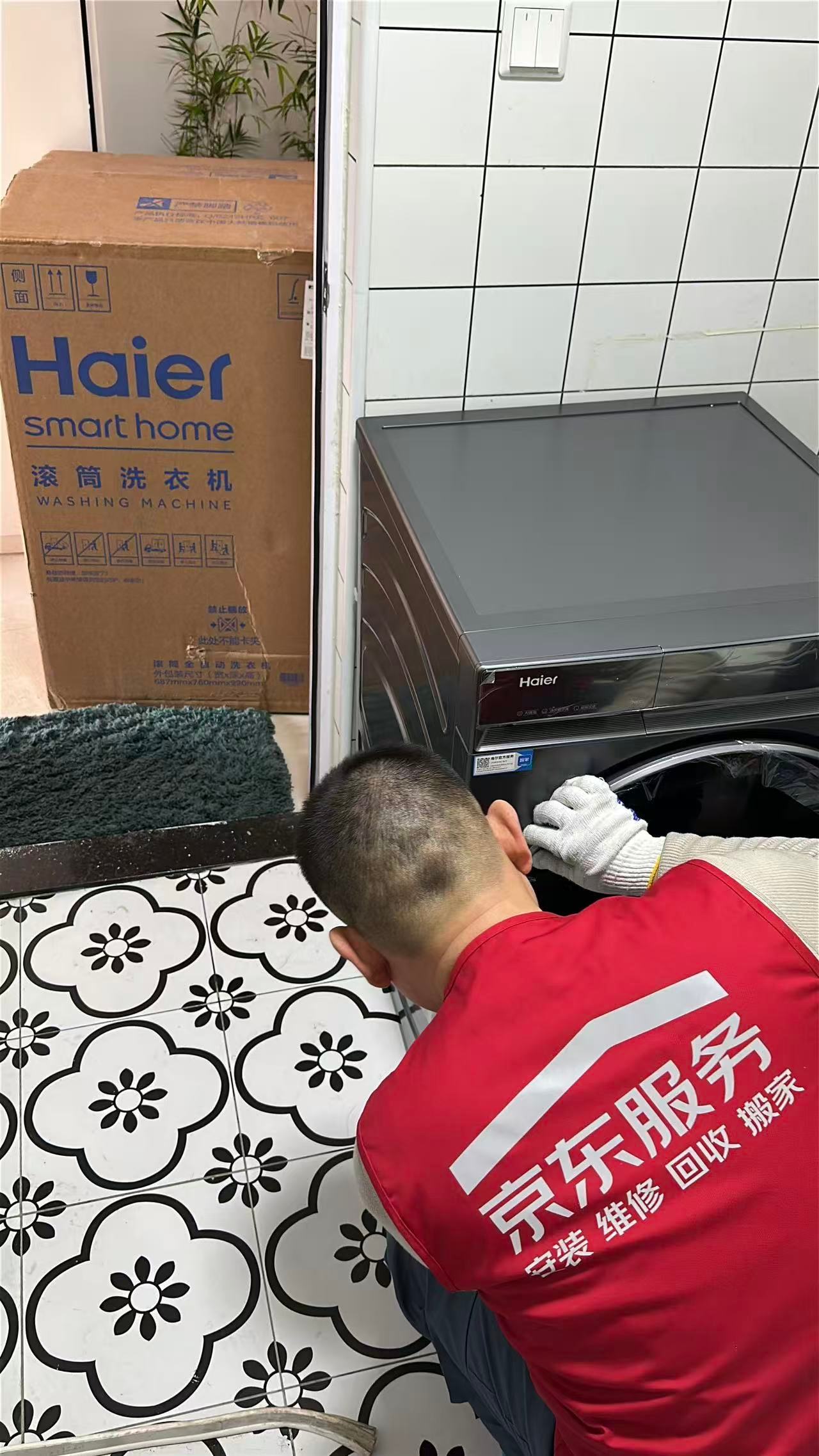
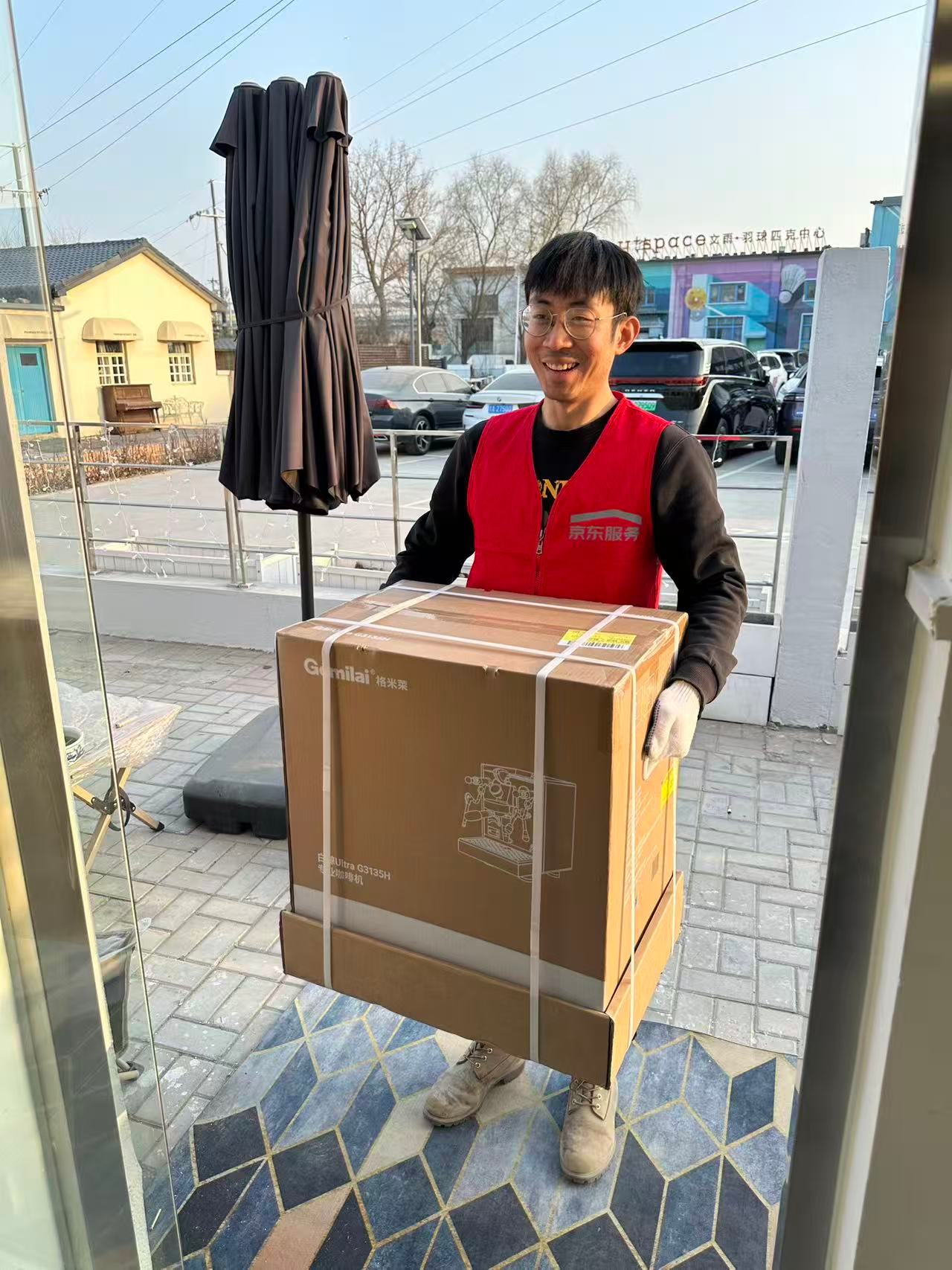
Users shared glowing testimonials about JD’s service. One wrote: “京东安装师傅上门前提前电话确认,到了之后核对型号,安装完还顺手把拆下来的纸箱垃圾都带走了” (“The JD installation technician called in advance, checked the model upon arrival, and even took away the discarded cardboard boxes after installation”). Another praised the speed: “昨天下的单,今天京东安装师傅就扛着洗衣机上门了” (“I ordered yesterday, and today the JD technician brought the washing machine to my door”).
The campaign’s hashtags trended widely: #京东年货节送到村还能马上装 (“JD New Year Festival delivers to villages and installs immediately”) and #京东买年货 又好又便宜 (“Buying New Year goods on JD is good and cheap”). JD.com itself joined the conversation, highlighting its “送装服务” (delivery and installation service) that covers “从零下40℃的漠河北极村到海拔4900米的西藏阿里” (“from the -40°C Arctic village of Mohe to the 4,900-meter-high Ali in Tibet”).
The Aftermath: Emotional Storytelling and Human Connection
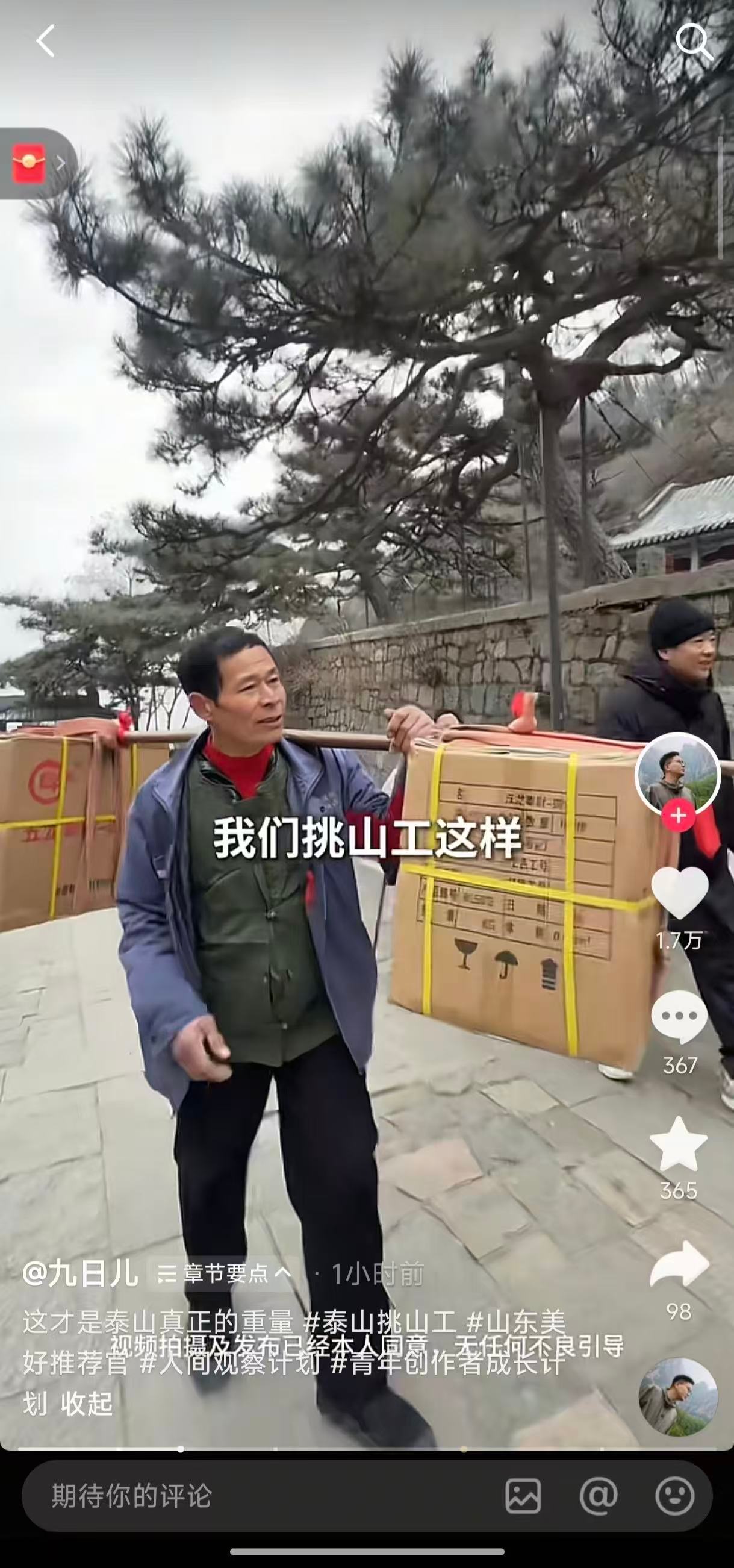
By February 9, the conversation shifted from transactional praise to emotional storytelling. Users began comparing JD’s delivery workers to Taishan porters, a symbol of hard work and dedication. One post read: “看着大叔肩上那沉甸甸的担子,突然明白为什么评论区都在说‘给大叔当年货’” (“Looking at the porter’s heavy load, I suddenly understood why comments say ‘Give the porter New Year goods’”). Another added: “以前回老家买个大件,总担心路不好走、还得靠家里长辈像挑山工一样肩扛手提。现在京东直接送到村还给你安装上门” (“Before, buying a large item for home meant worrying about bad roads and relying on family to carry it like porters. Now JD delivers directly to the village and installs it for you”).
These posts emphasized the “human element” of JD’s service—how it reduced the burden on rural families and made holiday shopping easier. The campaign’s focus on “国补再叠9折” (government subsidies plus an extra 10% off) also resonated, as users saw it as a way to save money while giving back to loved ones.
The Takeaway: From Buzz to Belief
The “年货节” topic’s lifecycle tells a story of how a holiday shopping festival became a viral phenomenon through user testimonials and emotional storytelling. What started as casual holiday chatter evolved into a campaign that highlighted the convenience of modern e-commerce—especially for rural communities. By framing delivery workers as “year-end guardians” and comparing their work to traditional porters, JD.com turned a sales push into a relatable, heartwarming narrative.
As one user summed up: “这种把服务做到极致的‘笨功夫’,才是给咱们在外游子最大的安全感” (“This ‘dumb effort’ of perfecting service is the greatest sense of security for us who are far from home”). For Chinese social media users, the 2026 New Year shopping festival wasn’t just about buying appliances—it was about the peace of mind that comes with knowing your loved ones can enjoy modern conveniences without the hassle.
Related Articles
How China's New Year Shopping Festival for Home Appliances Unfolded on Social Media
By Trending on Weibo
28 Feb 2026
Wuzhizhou Island: The 'Turning Corner' That's Capturing China's Winter Escape Dreams
By Trending on Weibo
28 Feb 2026

Li Xian's Taobao Flash Sale Campaign Turns 'What to Order for Chinese New Year' into a Heartfelt Tradition
By Trending on Weibo
17 Feb 2026
China's New Year Gift-Giving Trends: The Rise of 'Good Fortune' Presents for the Year of the Horse
By Trending on Weibo
16 Feb 2026
32 Cups of Milk Tea, One Heartbreaking Spill, and a Story of Human Kindness
By Trending on Weibo
16 Feb 2026