How the 2026 Spring Festival Gala Host Lineup Unfolded on Chinese Social Media
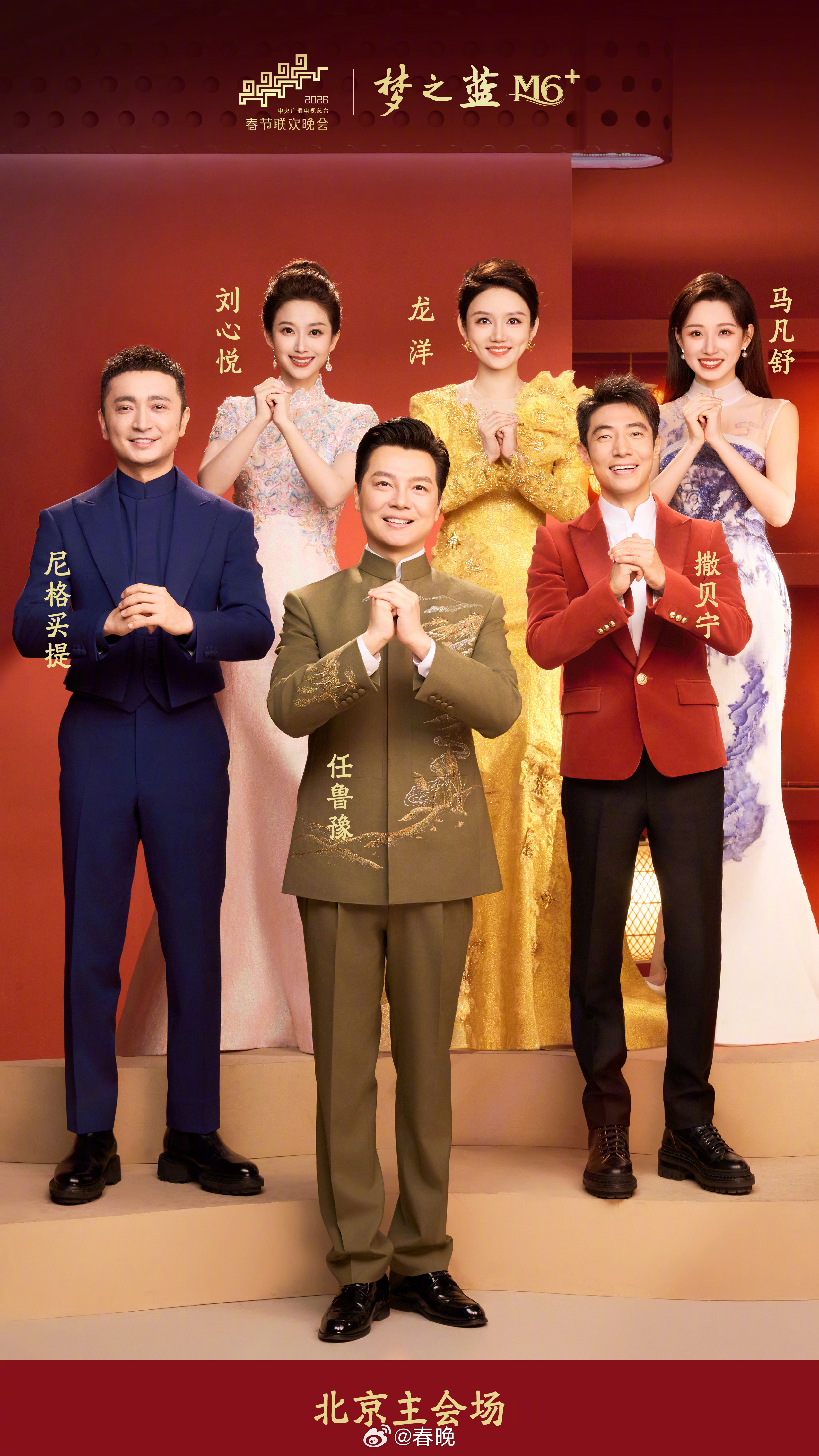
The announcement of the hosts for China's most-watched annual television event, the Spring Festival Gala, is always a moment of intense public scrutiny and discussion. This year was no different, with the reveal of the 2026 lineup sparking a flurry of conversation online, particularly centered around the inclusion of a new face, Liu Xinyue. The story began with whispers and speculation, building anticipation for the official reveal on February 4th, 2026. The announcement, made via the official CCTV News Weibo account, confirmed the Beijing main venue hosts as Ren Luyu, Sa Beining, Nigemaiti, Long Yang, Ma Fanshu, and the newly added Liu Xinyue, and the four sub-venue hosts. This official announcement was the clear inflection point, driving the topic to its peak. The reaction was immediate and varied, with many users expressing excitement and support for the new host, while others expressed skepticism. The discussion also delved into the backgrounds of the other hosts, with Ma Fanshu becoming a point of interest due to her unique connection to the Year of the Horse. As the initial excitement subsided, the online conversation naturally shifted, with attention beginning to turn towards other aspects of the upcoming gala.
28 February 2026
How the 2026 Spring Festival Gala Host Lineup Unfolded on Chinese Social Media
The announcement of the hosts for China's most-watched annual television event, the Spring Festival Gala, is always a moment of intense public scrutiny and discussion. This year was no different, with the reveal of the 2026 lineup sparking a flurry of conversation online, particularly centered around the inclusion of a new face, Liu Xinyue.
The story began with whispers and speculation, as is often the case with the notoriously secretive production. Early social media posts hinted at potential hosts and discussed past lineups, building anticipation for the official reveal. However, the real surge in attention came on February 4th, 2026, when the Central China Television (CCTV) network officially announced the host lineup for the upcoming Year of the Horse celebration.
The announcement, made via the official CCTV News Weibo account, confirmed the Beijing main venue hosts as Ren Luyu, Sa Beining, Nigemaiti, Long Yang, Ma Fanshu, and the newly added Liu Xinyue. The four sub-venue hosts were also revealed: Yang Fan and Jiang Duo in Harbin, Heilongjiang; Guo Ruotian and He Chuan in Yiwu, Zhejiang; Zhu Xun and Bai Yu in Hefei, Anhui; and Zhang Tao and Wang Chuhan in Yibin, Sichuan.
This official announcement was the clear inflection point, driving the topic to its peak. The news quickly spread across Chinese social media platforms, with hashtags like #2026SpringFestivalGalaHostLineup and #LiuXinyueBecomesSpringFestivalGalaHost trending nationwide.
The reaction was immediate and varied. Many users expressed excitement and support for the new host, Liu Xinyue. Born in 1987, Liu Xinyue is a well-known host from CCTV, having previously hosted the Liaoning TV Spring Festival Gala six times and winning the silver award in the 2023 CCTV Host Competition. Her inclusion was seen by many as a fresh and welcome addition to the established team.
"2026 Spring Festival Gala host lineup goes with a 'stable with new' approach. The main venue is composed of Ren Luyu, Sa Beining, Nigemaiti, Long Yang, Ma Fanshu, and Liu Xinyue. Liu Xinyue, with her news talk show's agility and ability to control large-scale events, can inject new vitality into the stage," commented one user, highlighting the perceived balance between experience and new energy.
However, not all reactions were positive. Some netizens expressed skepticism about Liu Xinyue's suitability for the grand stage, with one user commenting, "Nothing seems particularly outstanding, and this Liu Xinyue's face doesn't seem to fit the Spring Festival Gala stage."
The discussion also delved into the backgrounds of the other hosts. Ma Fanshu, in particular, became a point of interest due to her unique connection to the Year of the Horse. Social media users humorously pointed out that this was her second time hosting a 'Horse Year' Spring Festival Gala, having previously appeared as a student in the chorus in 2014.
This led to a wave of nostalgic posts comparing her journey from a young chorus member to a main host, celebrating her growth and dedication.
"Twelve years, two Horse Year Spring Festival Galas, two identities. In 2014, she was a naive sophomore in the choir; in 2026, she is a mature host controlling the main venue. From the background board to the center, this step跨越 (leap) has turned passion into professionalism. Every step she takes is steady and shining!" wrote one enthusiastic fan.
The conversation then expanded to include the sub-venue hosts, with local media outlets celebrating their colleagues' achievements. For instance, Zhejiang Television's official account posted about their host, He Chuan, who would be appearing in the Yiwu sub-venue, noting his background from Peking University and his experience hosting various large-scale events.
As the initial excitement subsided, the online conversation naturally shifted. While the host lineup remained a topic of discussion, attention began to turn towards other aspects of the upcoming gala, such as the star-studded performer lineup and the specific content of the shows. The peak of the host-related discussion had passed, giving way to broader anticipation for the event itself.
In the days following the announcement, the focus on the hosts gradually faded, with new topics emerging on social media. By February 10th, the conversation had largely moved on, though the host lineup remained a point of reference for the upcoming celebrations.
Ultimately, the announcement of the 2026 Spring Festival Gala host lineup served as a microcosm of the event's enduring appeal and the public's deep engagement with it. From the initial speculation to the peak of excitement and the eventual shift in focus, the online discourse reflected the nation's collective anticipation for the cultural cornerstone of the Lunar New Year.
Related Articles
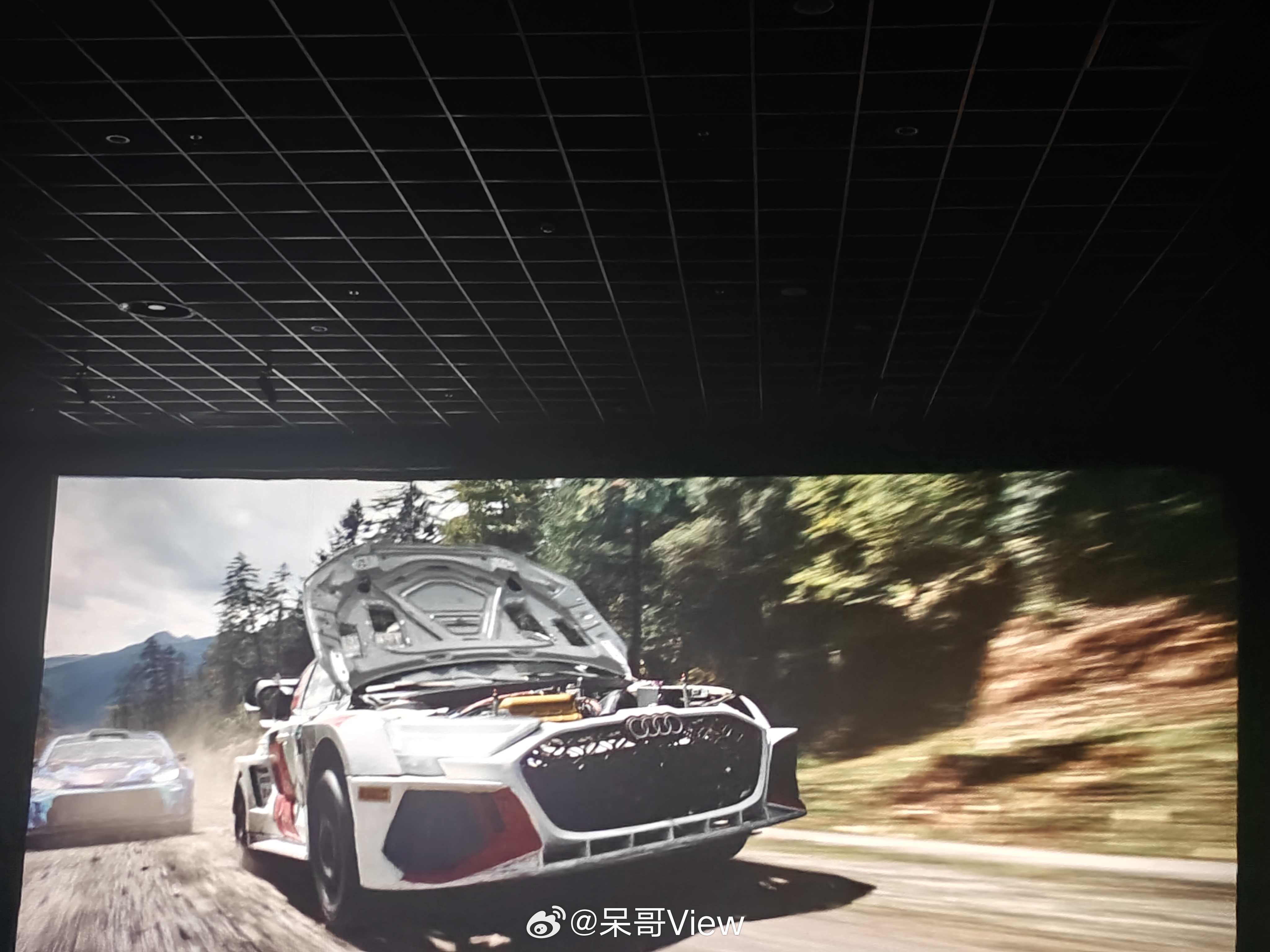
飞驰人生3: Weibo Fans Buzz About Box Office and Racing, While WeChat Users Focus on a Mountain Bike Prototype
By Trending on Weibo
Entertainment
2 Mar 2026
How the 2026 Spring Festival Gala Host Lineup Unfolded on Chinese Social Media
By Trending on Weibo
Entertainment
28 Feb 2026
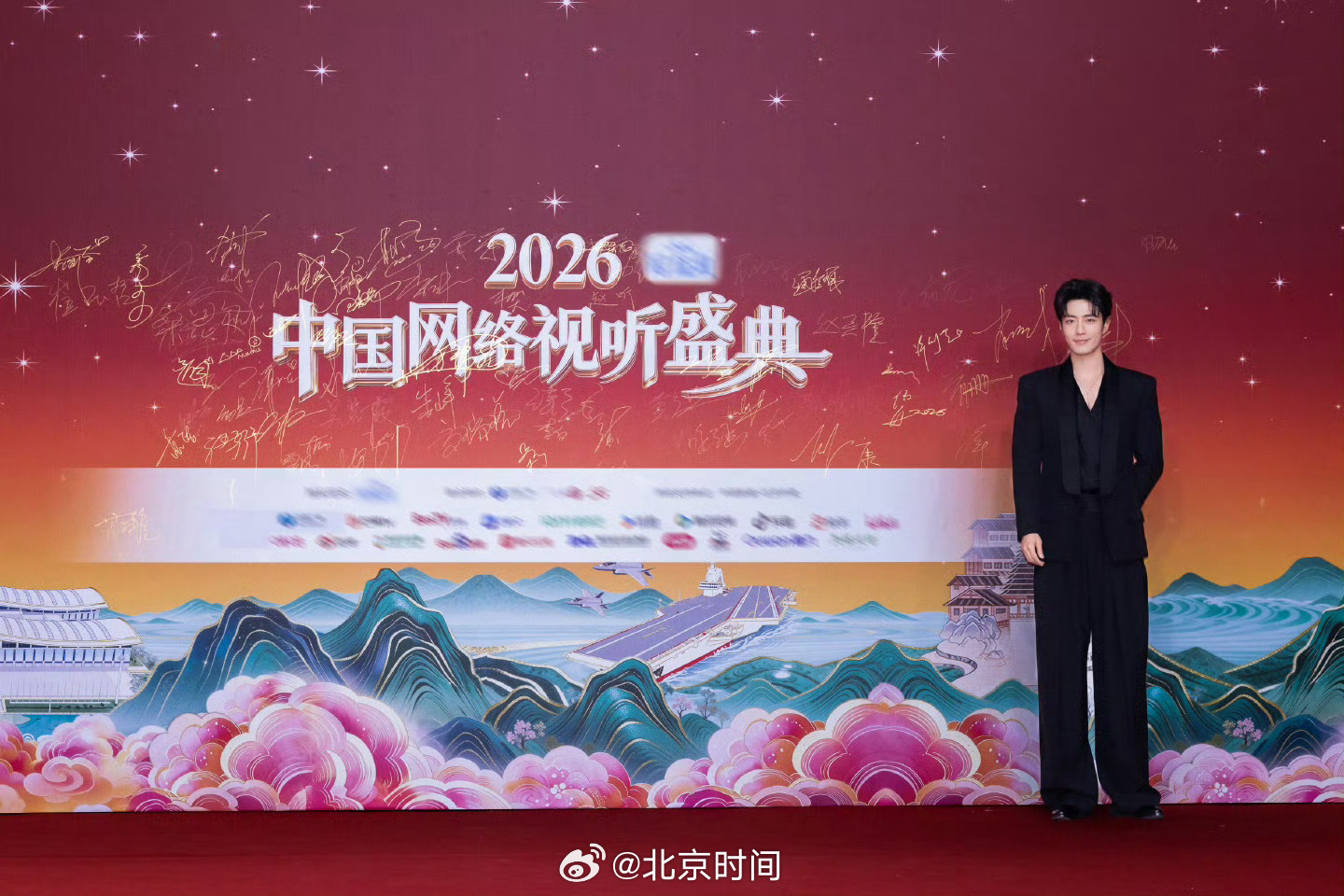
How Xiao Zhan's 2026 China Network Audio-Visual Awards Appearance Unfolded on Chinese Social Media
By Trending on Weibo
Entertainment
28 Feb 2026
Xiao Zhan Steals the Spotlight at 2026 China Network Audiovisual Gala as Main Narrator and Style Icon
By Trending on Weibo
Entertainment
17 Feb 2026
2026 Spring Festival Gala Unveils Host Lineup, With Liu Xinyue as New Face in Beijing Main Venue
By Trending on Weibo
Entertainment
17 Feb 2026