Japan’s Takaiichi Wins Election, Pledges Military Expansion and Constitutional Reform
Japanese Prime Minister Sanae Takaiichi’s ruling coalition secured a decisive victory in the February 8, 2026, parliamentary election, giving her a mandate to pursue aggressive military expansion and constitutional reform—moves that have raised alarms among regional neighbors and international observers.
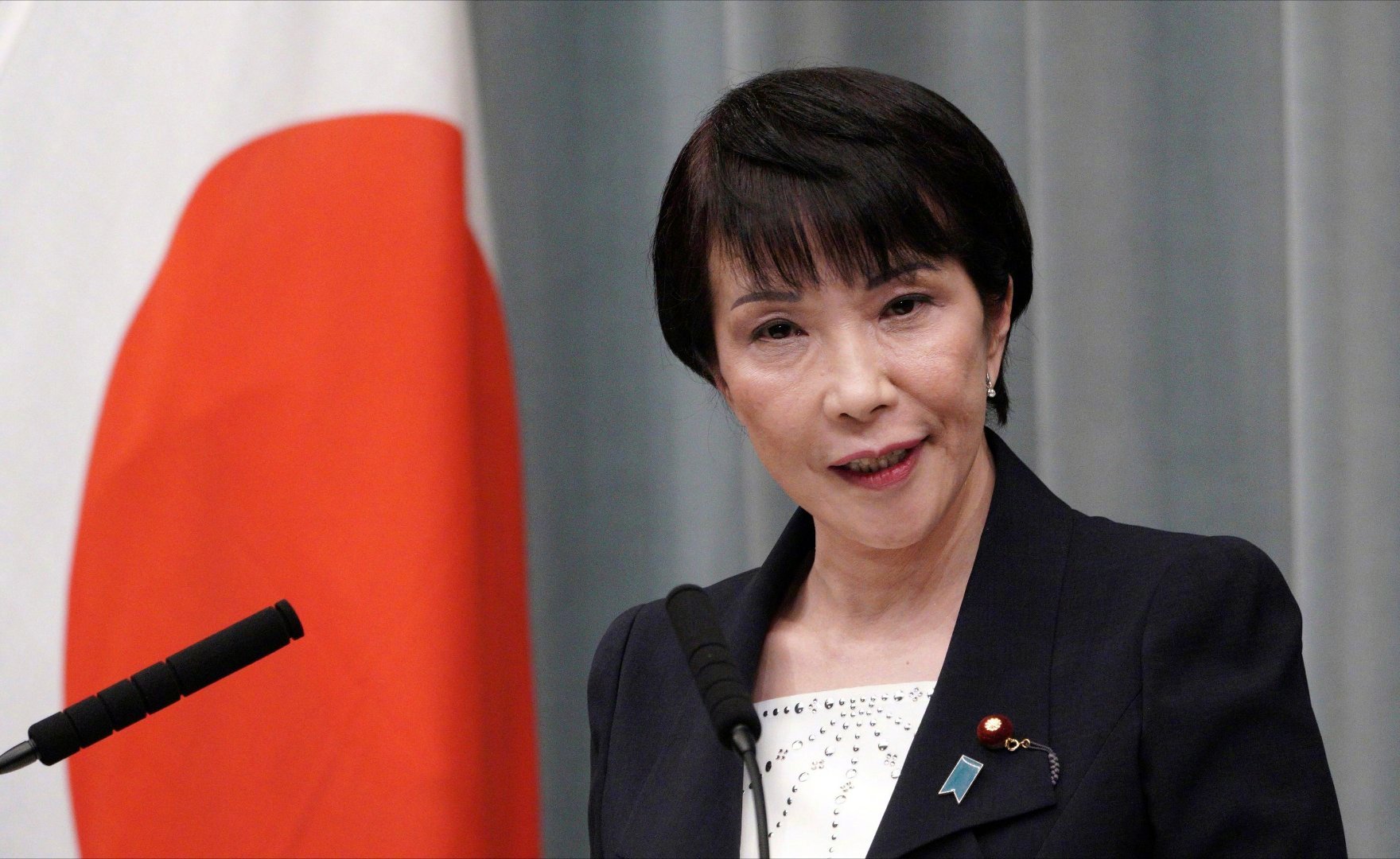
17 February 2026
Japan’s Takaiichi Wins Election, Pledges Military Expansion and Constitutional Reform
Japanese Prime Minister Sanae Takaiichi’s ruling coalition secured a decisive victory in the February 8, 2026, parliamentary election, giving her a mandate to pursue aggressive military expansion and constitutional reform—moves that have raised alarms among regional neighbors and international observers.
Election Results: A Decisive Victory
The ruling Liberal Democratic Party (LDP), led by Takaiichi, won 316 of the 465 seats in the House of Representatives, while its coalition partner, Nippon Ishin no Kai (Japan Innovation Party), secured an additional 36 seats. This gives the coalition a supermajority of 352 seats, well above the 310 needed to amend Japan’s constitution. The victory comes just four months after Takaiichi took office, following a "political gamble" to dissolve the lower house and call early elections.

The chart illustrates the ruling coalition’s dominance, with 351 seats secured—well above the 310 needed for constitutional amendments.
Takaiichi’s win was seen as a validation of her right-wing agenda, which includes revising Japan’s pacifist constitution (Article 9), expanding the military, and strengthening ties with the United States. However, the victory has also sparked concerns about Japan’s shift toward militarism and its implications for regional stability.
Takaiichi’s Agenda: Military Expansion and Constitutional Reform
Since taking office in October 2025, Takaiichi has been vocal about her plans to revise Japan’s constitution, particularly Article 9, which renounces war and prohibits the maintenance of a standing army. She has called for "normalizing" Japan’s military, including developing nuclear-powered submarines and increasing defense spending to 2% of GDP—moves that would mark a significant departure from the country’s post-WWII pacifist stance.
"We will not let the people of Japan down," Takaiichi said in a post-election statement. "Our coalition will work to strengthen our nation’s security and ensure our place in the world."
Her agenda also includes a hardline stance on Taiwan, with Takaiichi repeating her controversial claim that "Taiwan’s security is Japan’s business." This has drawn sharp criticism from China, which views Taiwan as a sovereign territory.
International Reactions: Alarm and Endorsement
China has been particularly vocal in its opposition to Takaiichi’s policies. In a statement, the Chinese Foreign Ministry warned that "those who play with fire will perish," emphasizing that any attempt to revise Japan’s constitution or expand its military would be met with "resolute countermeasures."

The poster, from Xinhua News, warns Japan that provocative actions will lead to self-destruction.
In contrast, the United States has endorsed Takaiichi’s leadership. President Donald Trump tweeted his support, calling her a "strong, powerful, and wise Leader" and expressing excitement about meeting her at the White House. Takaiichi responded by thanking Trump and reaffirming Japan’s commitment to the U.S.-Japan alliance.
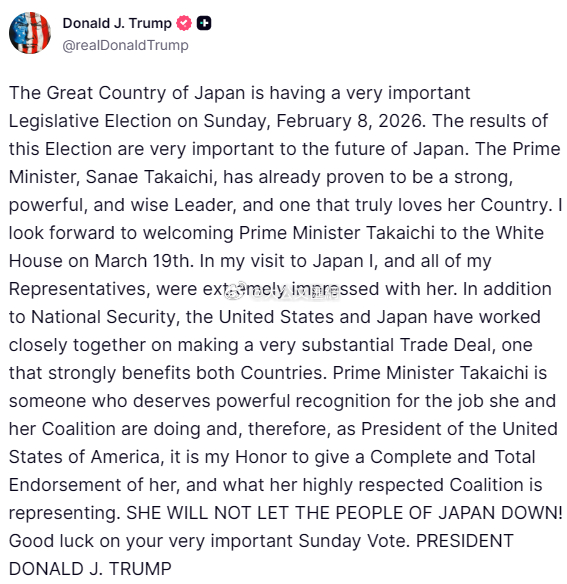
President Trump’s tweet praises Takaiichi and her coalition, highlighting their "substantial Trade Deal."
Domestic Context: Why Takaiichi Won
Takaiichi’s victory was fueled by a combination of economic anxiety and right-wing sentiment. Japan has faced rising inflation, stagnant wages, and a declining population, leading many voters to support her promises of economic reform and national strength. Additionally, her hardline stance on China and Taiwan resonated with younger, more conservative voters.
However, critics argue that Takaiichi’s policies will exacerbate Japan’s economic problems. The country already has one of the world’s highest debt-to-GDP ratios, and increasing military spending could strain public finances further.
Secondary Issue: Prostitution Law Reform
While the election dominated headlines, Japan is also considering revising its prostitution laws to punish clients of sex workers. Currently, only sellers of sexual services are criminalized, a loophole that has led to a rise in street prostitution, particularly in Tokyo’s Kabukicho district. The government plans to form an expert panel to study the issue, with a decision expected by March 2026.
Conclusion: A New Era of Japanese Politics
Takaiichi’s election victory marks a significant shift in Japanese politics, with the country moving further toward militarism and right-wing nationalism. While her agenda has support at home, it has also raised concerns about regional stability and Japan’s relationship with its neighbors. As Takaiichi moves forward with her plans, the world will be watching closely to see how her government balances domestic priorities with international responsibilities.
Related Articles

Why Weibo and Xiaohongshu Are Talking About Japan's Deep-Sea Rare Earth—But Saying Very Different Things
By Trending on Weibo
News & Politics
2 Mar 2026
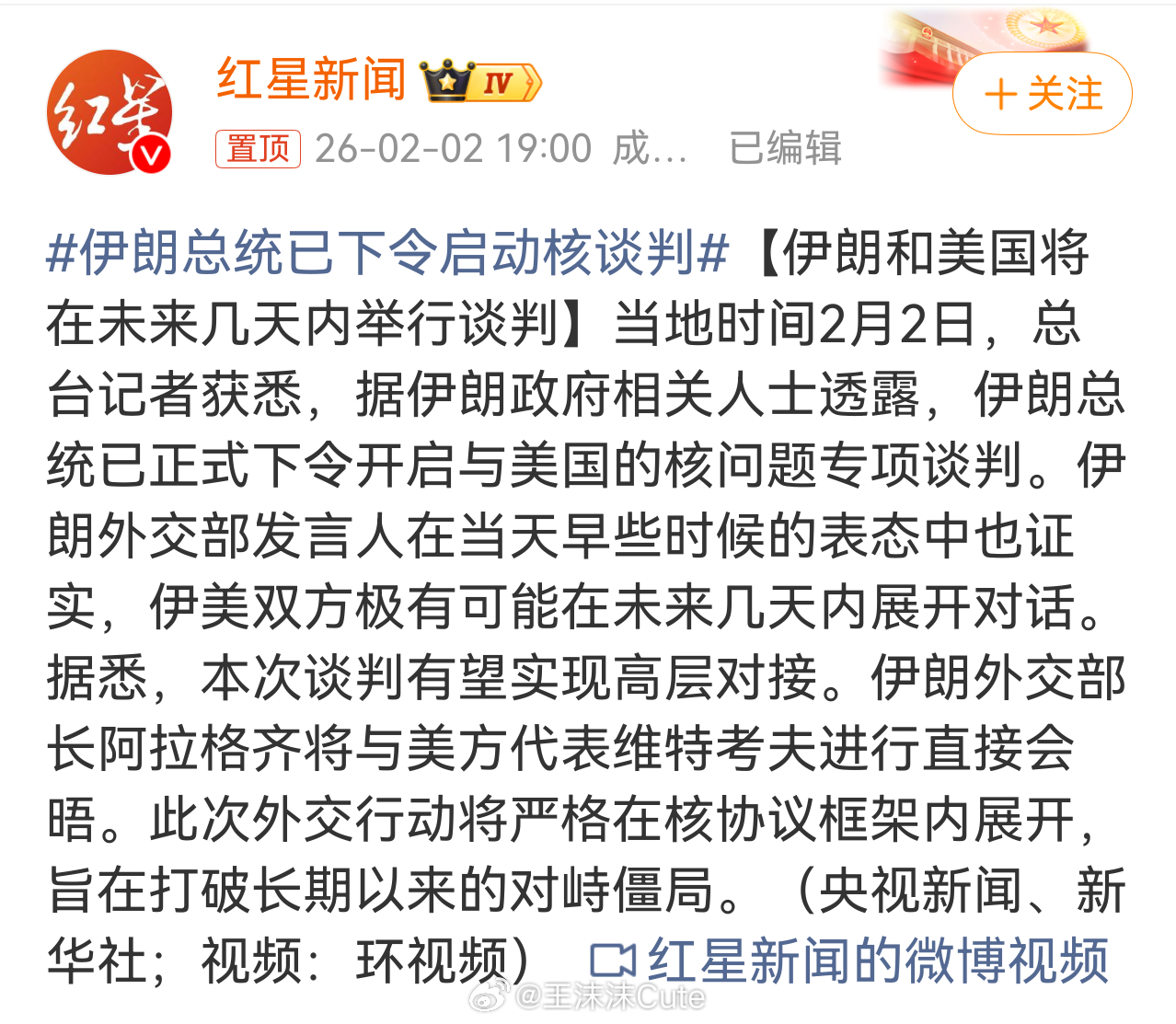
How Iran Nuclear Negotiations Unfolded on Chinese Social Media
By Trending on Weibo
News & Politics
28 Feb 2026

How a Gold Bracelet Sale by a Minor Unfolded on Chinese Social Media
By Trending on Weibo
News & Politics
28 Feb 2026
How a 'Poisoned Baby Cabbage' Scandal Unfolded on Chinese Social Media
By Trending on Weibo
News & Politics
28 Feb 2026

Bill Gates Denies Epstein Allegations as Ex-Wife Melinda Speaks Out
By Trending on Weibo
News & Politics
17 Feb 2026