Nanjing Museum Scandal: How a $315 Sale of a $12M 'Jiangnan Spring' Scroll Exposed China's Cultural Heritage Crisis
A scandal involving the illegal sale of priceless Chinese paintings—including the renowned 'Jiangnan Spring' scroll—has rocked China's Nanjing Museum, exposing systemic failures in cultural heritage management and leading to the punishment of 24 officials. The investigation, which began after the scroll was nearly auctioned for $12 million, revealed a web of corruption and negligence that saw five donated artworks sold off in the 1990s—with one still missing.

17 February 2026
Nanjing Museum Scandal: How a $315 Sale of a $12M 'Jiangnan Spring' Scroll Exposed China's Cultural Heritage Crisis
A scandal involving the illegal sale of priceless Chinese paintings—including the renowned Jiangnan Spring scroll—has rocked China’s Nanjing Museum, exposing systemic failures in cultural heritage management and leading to the punishment of 24 officials. The investigation, which began after the scroll was nearly auctioned for $12 million, revealed a web of corruption and negligence that saw five donated artworks sold off in the 1990s—with one still missing.
The Lost Paintings: A Story of Donation and Betrayal
In 1959, art collector Pang Zenghe donated 137 paintings to the Nanjing Museum (南博), including the iconic Jiangnan Spring (江南春) scroll, a masterpiece of Ming dynasty artist Qiu Ying. For decades, these works were part of the museum’s collection—until the 1990s, when a series of illegal sales began.
"徐湖平在兼任总店法定代表人、经理期间,有令不行、有禁不止,在国家行政主管部门明确禁止擅自出售和处理馆藏文物后,仍同意总店出售相关文物"
—Official report on the Nanjing Museum scandal
The report, released by Jiangsu Province’s government on February 9, 2026, details how Xu Huping, then the museum’s deputy director (and later director), approved the transfer of five paintings to the Jiangsu Provincial Cultural Relics General Store (总店) for sale. This violated strict regulations prohibiting the sale of donated cultural relics.
The Jiangnan Spring Scroll: A Tale of Price Tag Fraud
The most shocking case involves the Jiangnan Spring scroll. In 1997, Zhang Mou, a staff member at the General Store, spotted the scroll priced at 25,000 yuan ($3,500). Seeing an opportunity, she conspired with her boyfriend to buy it cheaply. She altered the price tag to 2,500 yuan ($350) and arranged for a colleague to purchase it for 2,250 yuan ($315) after a 10% discount.
"1997年标价2.5万元售卖,被保管员篡改为2500元,勾结男友安排其同事以9折2250元购买"
—Weibo user summary of the scandal
Zhang then sold the scroll to a dealer for 120,000 yuan ($16,700). Over the next two decades, it changed hands multiple times, eventually appearing at a Beijing auction in 2025 with an estimated value of 88 million yuan ($12.2 million). The sale was halted after Pang Zenghe’s descendants reported it to authorities.
Recovery and Consequences
Thanks to a year-long investigation involving 1,100 interviews and 65,000 documents, four of the five paintings were recovered. The Jiangnan Spring scroll, along with three others, was returned to the Nanjing Museum’s special collection in December 2025. The fifth painting, Songfeng Xiaosi Tu (松风萧寺图), remains missing.
The scandal led to the punishment of 24 people, including Xu Huping, who is under investigation for "serious disciplinary violations." Zhang Mou is also being investigated for "serious duty-related violations." The report criticized the museum’s "systemic management chaos," including a lack of oversight and unclear roles.
A Wake-Up Call for Cultural Heritage Protection
The Nanjing Museum scandal has sparked a nationwide review of cultural relic management. Jiangsu Province has ordered museums, libraries, and art galleries to conduct self-inspections, while the central government has emphasized the need for stricter regulations.
"This event exposed the Nanjing Museum’s past institutional deficiencies and management chaos, especially in the management of donated relics. The教训 is extremely profound."
—Jiangsu Provincial Government Investigation Team
For art lovers and cultural preservation advocates, the case is a stark reminder of the risks facing China’s heritage. As one Weibo user put it: "If even museums can’t protect our treasures, where can they be safe?"
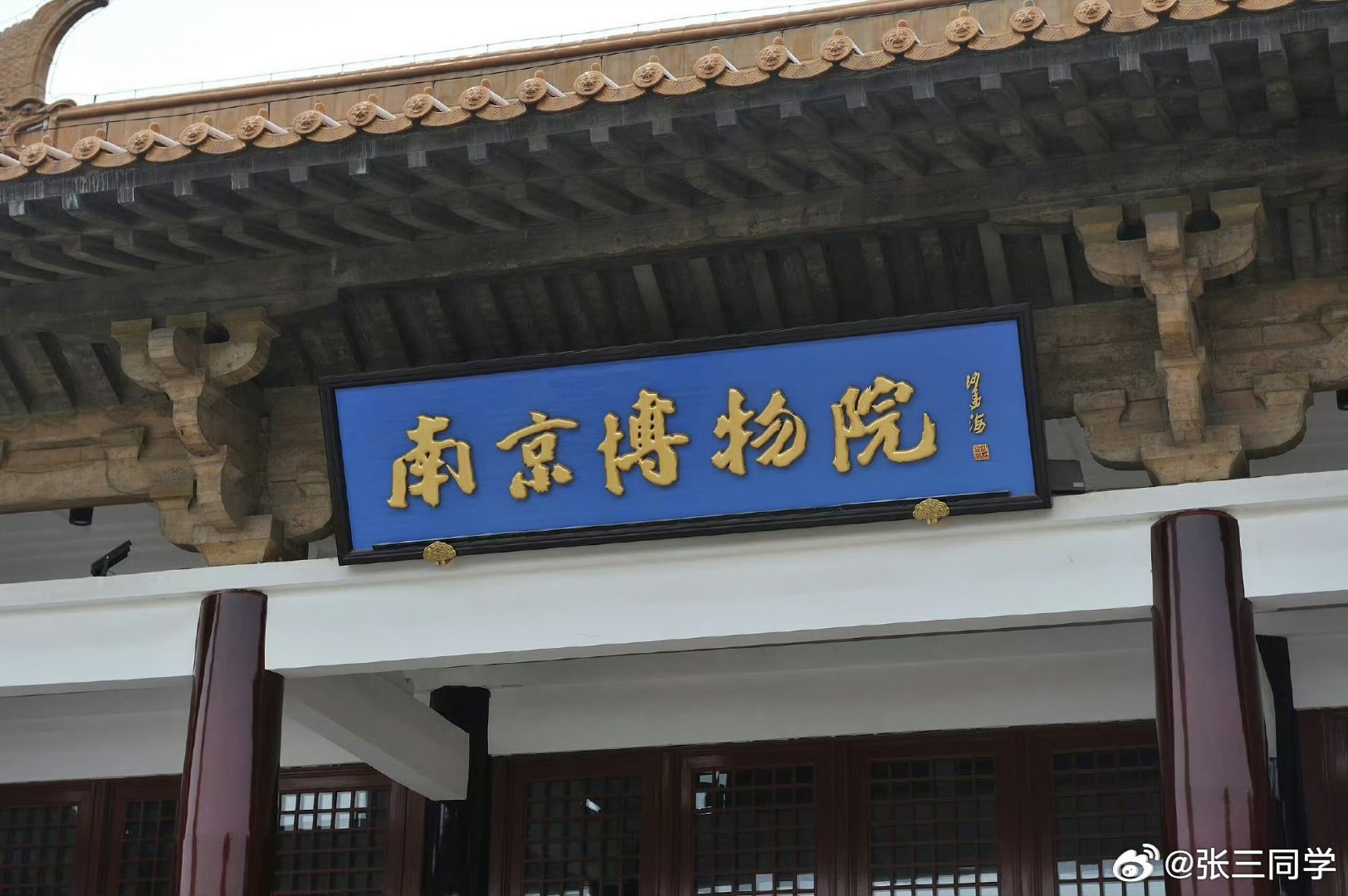
The Nanjing Museum, where the scandal unfolded, is one of China’s most prestigious cultural institutions.
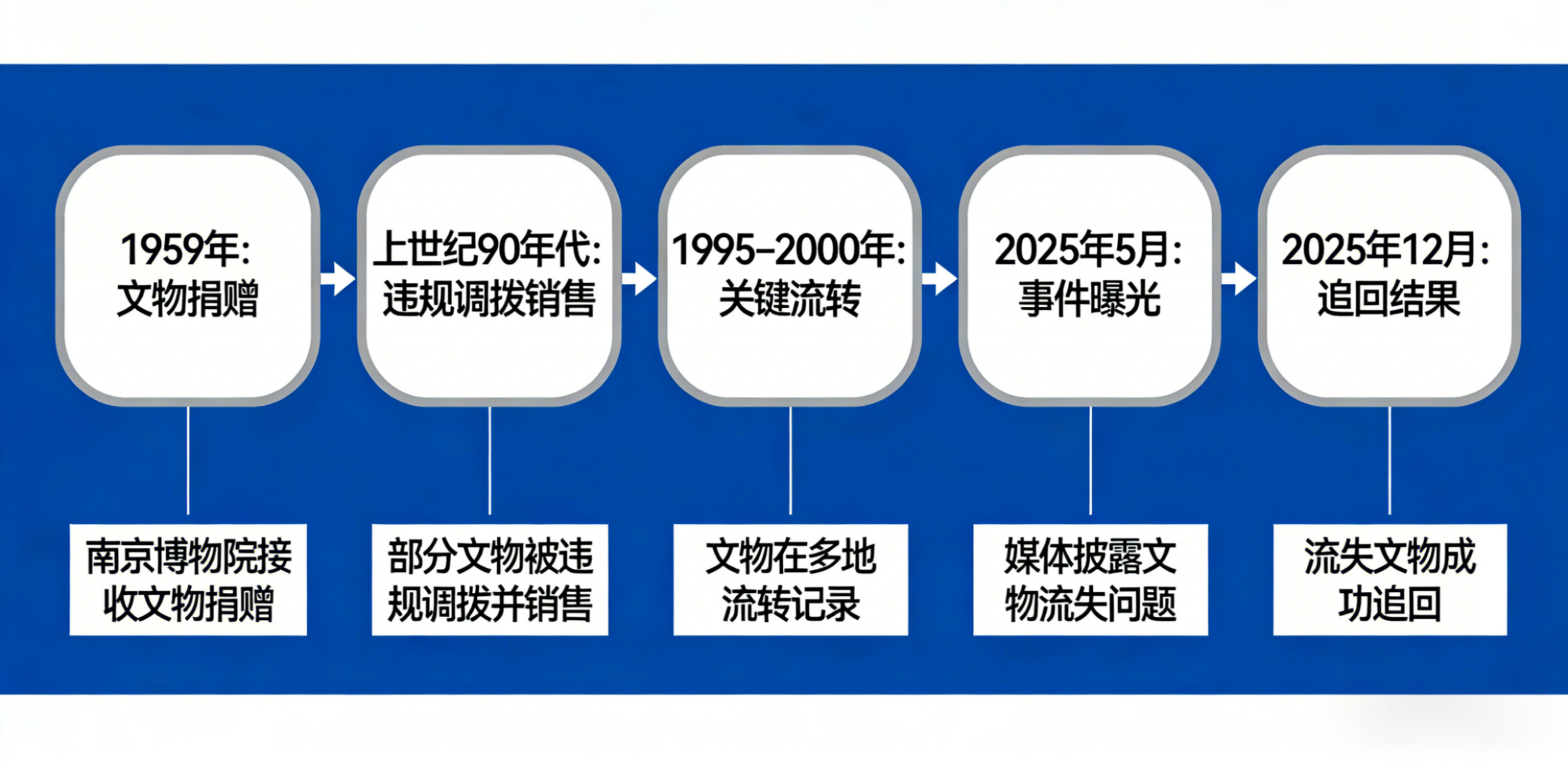
The timeline of the Nanjing Museum scandal highlights the decades-long chain of events that led to the loss and recovery of the paintings.
Conclusion
The Nanjing Museum scandal is more than a story of lost art—it’s a test of China’s commitment to preserving its cultural heritage. With four paintings back in the museum and the search for the fifth ongoing, the case serves as a warning: without transparency and accountability, even the most treasured relics are at risk. As China grapples with its past, the future of its cultural heritage hangs in the balance.
Related Articles
Why Weibo and Xiaohongshu Are Talking About Japan's Deep-Sea Rare Earth—But Saying Very Different Things
By Trending on Weibo
News & Politics
2 Mar 2026
How Iran Nuclear Negotiations Unfolded on Chinese Social Media
By Trending on Weibo
News & Politics
28 Feb 2026
How a Gold Bracelet Sale by a Minor Unfolded on Chinese Social Media
By Trending on Weibo
News & Politics
28 Feb 2026
How a 'Poisoned Baby Cabbage' Scandal Unfolded on Chinese Social Media
By Trending on Weibo
News & Politics
28 Feb 2026
Bill Gates Denies Epstein Allegations as Ex-Wife Melinda Speaks Out
By Trending on Weibo
News & Politics
17 Feb 2026