China Achieves Historic Rocket and Spacecraft Recovery in Sea, Marking Major Step Toward Manned Lunar Mission
On February 11, 2026, China successfully tested the Long March 10 rocket and Mengzhou spacecraft, achieving the country’s first sea-based recovery of a manned spacecraft and rocket stage. The mission marks a critical step toward China’s goal of landing astronauts on the Moon by 2030, validating key technologies like escape systems and reusable rocket recovery.
17 February 2026
China Achieves Historic Rocket and Spacecraft Recovery in Sea, Marking Major Step Toward Manned Lunar Mission
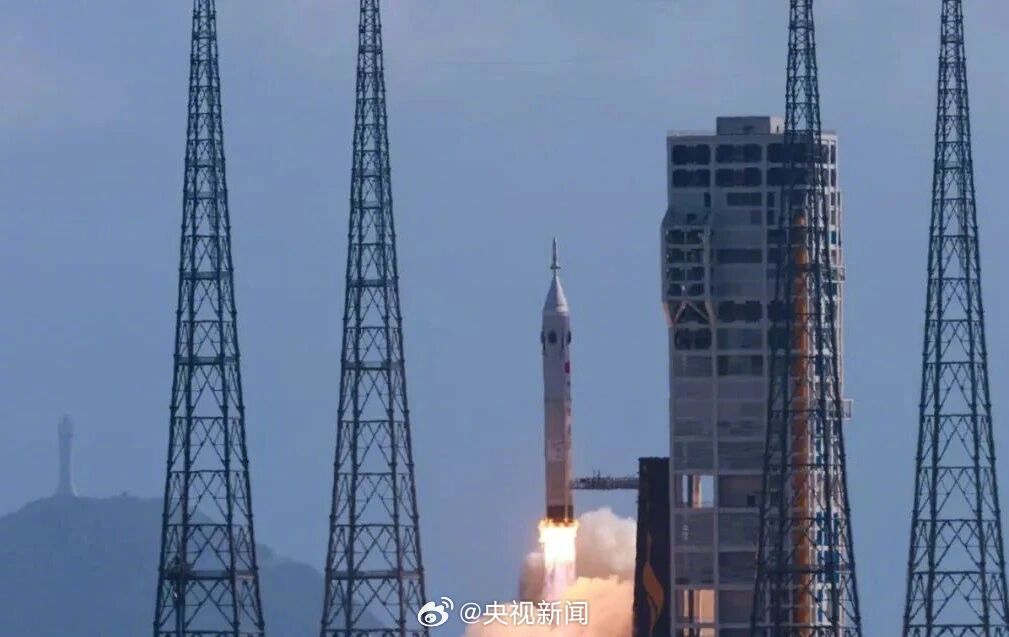
In a landmark achievement for its space program, China successfully conducted a test flight of the Long March 10 rocket and Mengzhou (Dream Boat) spacecraft on February 11, 2026, marking the country’s first-ever sea-based recovery of a manned spacecraft and rocket stage. The mission, carried out from the Wenchang Space Launch Site in Hainan, is a critical step toward China’s goal of landing astronauts on the Moon by 2030.
The Launch: A New Era of Reusability
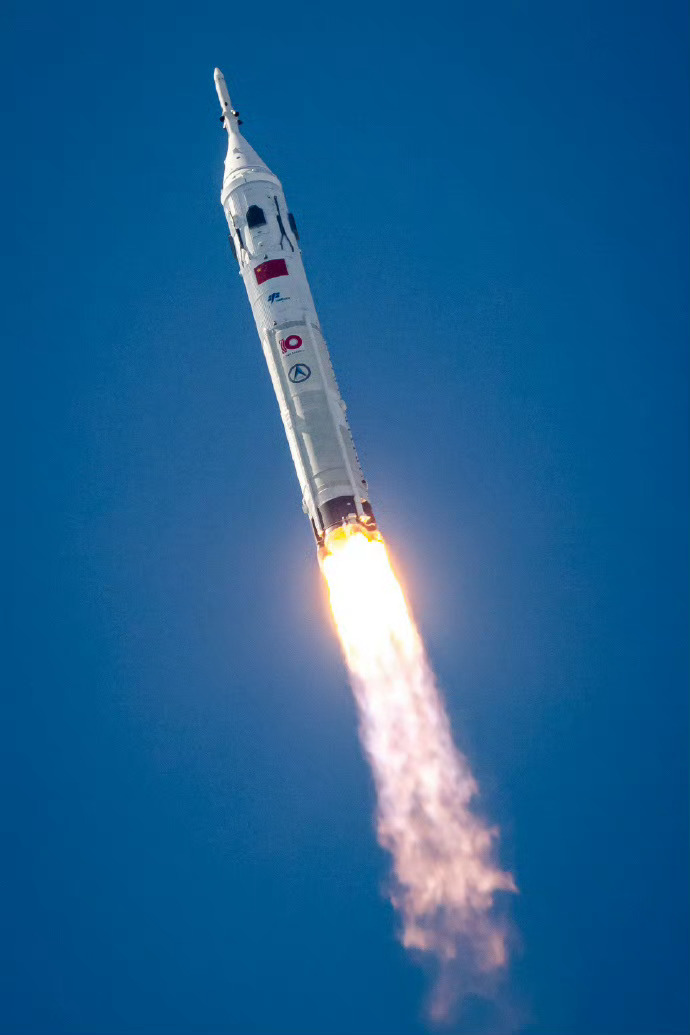
At 11:00 AM local time, the Long March 10—China’s next-generation heavy-lift rocket—ignited its engines and lifted off, carrying the Mengzhou spacecraft into a suborbital trajectory. The test was designed to validate two key technologies: the spacecraft’s ability to escape the rocket under maximum dynamic pressure (a critical safety feature for manned missions) and the rocket’s ability to be recovered at sea.
"This is a milestone for our manned lunar exploration program," said a spokesperson for the China Manned Space Agency (CMSA). "The successful recovery of both the rocket and spacecraft demonstrates our progress in developing reusable space technology, which will reduce launch costs and increase mission frequency."
The Escape Test: Surviving Extreme Conditions
Mid-flight, the Mengzhou spacecraft executed a maximum dynamic pressure escape, separating from the rocket as it reached speeds and forces that simulate the most stressful phase of a real launch. This test—China’s first of its kind—ensured the spacecraft’s systems could function under extreme conditions, a must for protecting astronauts during emergencies.
"The escape was flawless," noted a Weibo user tracking the mission. "The spacecraft separated cleanly, and the rocket continued on its path to the recovery zone. This is exactly what we need for future manned missions."
The Sea Recovery: A Net-Based Innovation
Instead of landing the rocket vertically on a drone ship (as SpaceX does), China used a novel "net-based" recovery method with its "Navigator" (领航者) vessel. The ship, operated by the China Academy of Launch Vehicle Technology, deployed a large net to capture the rocket stage as it descended, absorbing the impact and stabilizing it for retrieval.
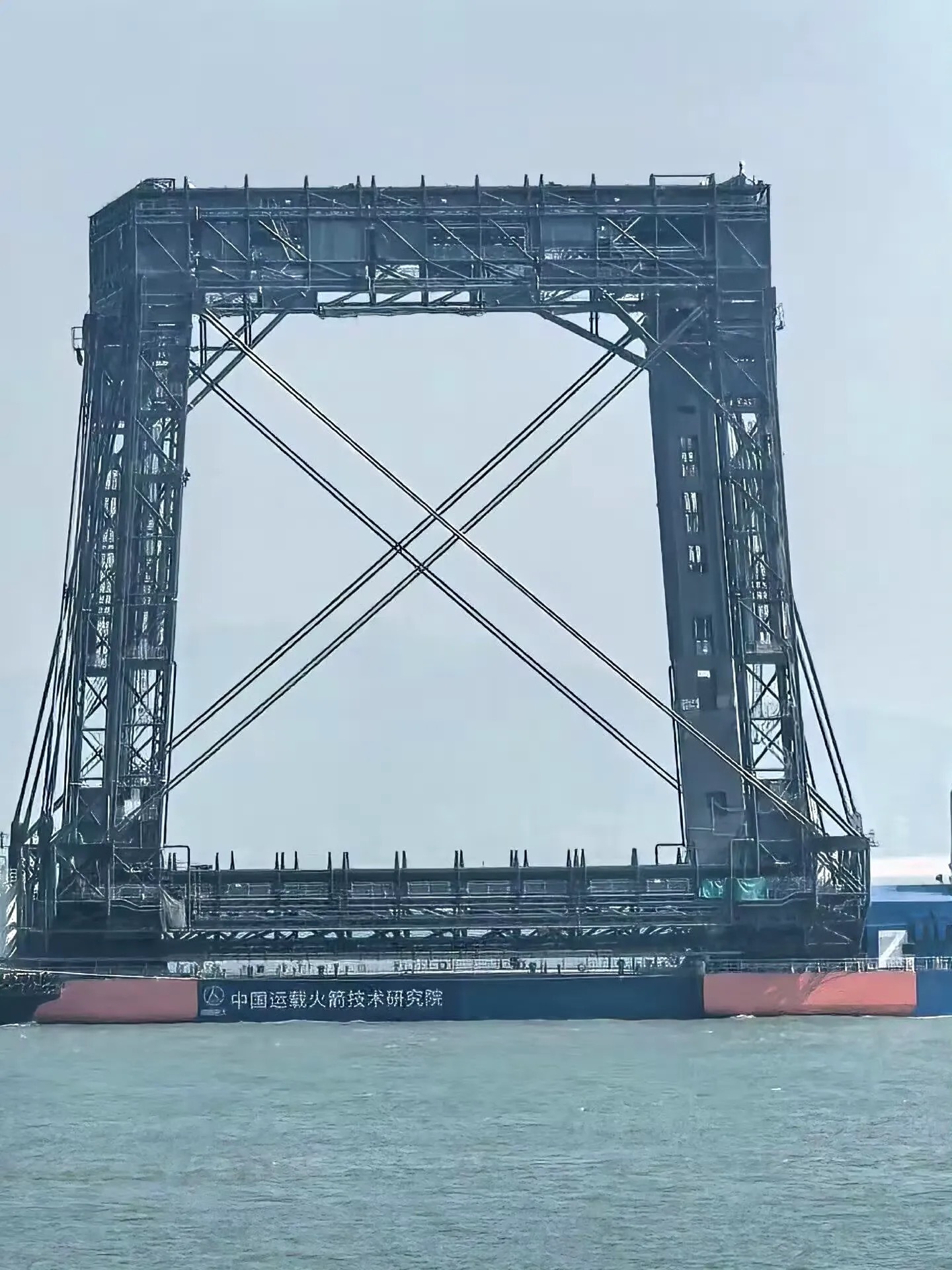
"This is a game-changer," explained a space industry analyst. "SpaceX’s method requires pinpoint precision, but China’s net system is more forgiving. It can handle rougher seas and reduces the risk of damage to the rocket."
Both the rocket’s first stage and the Mengzhou spacecraft’s return capsule splashed down safely in the South China Sea, within 10 meters of the Navigator ship. The recovery teams then retrieved the hardware for inspection and potential reuse.
Why This Matters: Cost, Reusability, and the Moon
The test is a major milestone for China’s space program, which aims to establish a permanent lunar presence by the end of the decade. Reusable rockets and spacecraft will be essential to achieving this goal, as they cut launch costs and enable more frequent missions.
However, the mission also sparked debate about the cost of China’s space efforts. A Weibo post highlighted a stark comparison: SpaceX’s Falcon 9 costs $15–20 million per launch (reusable), while China’s current launches cost nearly 100 million yuan (about $14 million) but are not yet fully reusable.
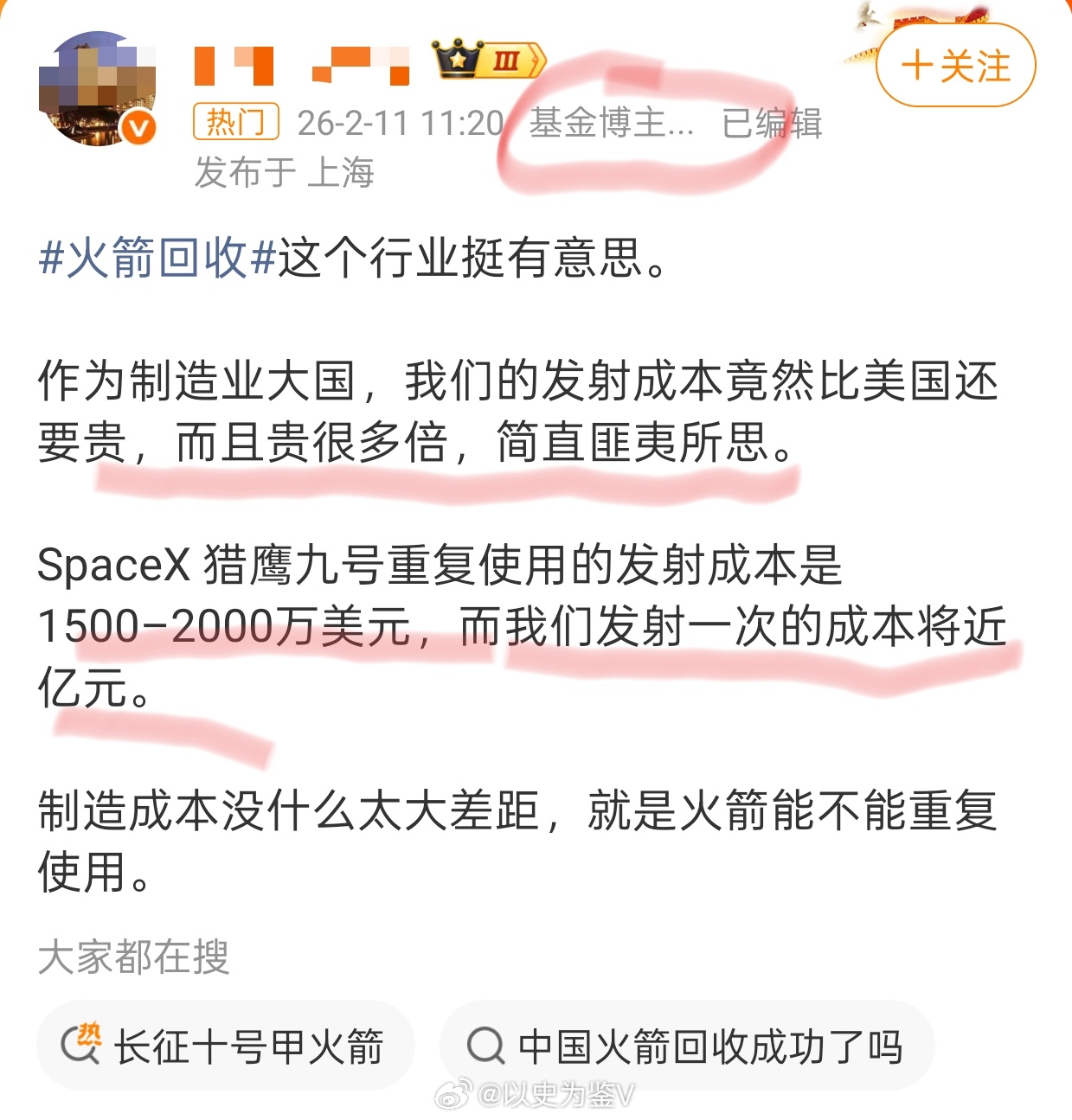
"As a manufacturing giant, our launch costs are higher than the U.S.? That’s hard to believe," the post read. "The gap comes down to reusability. We need to catch up."
China’s space program has been rapidly advancing in recent years, with successes like the Tiangong space station and the Chang’e lunar missions. The Long March 10 and Mengzhou tests bring it one step closer to matching—and potentially surpassing—global leaders in space technology.
"This is just the beginning," said the CMSA spokesperson. "We will continue testing and refining our technology, with the goal of sending astronauts to the Moon in the near future. The sky is not the limit—it’s just the start."
As China’s space ambitions grow, the world will be watching to see how these innovations shape the future of space exploration.
Related Articles

How 'Little Pony Cakes' Took Over Chinese Social Media During Honor of Kings' Lunar New Year Event
By Trending on Weibo
28 Feb 2026

How Alibaba's Qianwen AI Milk Tea Giveaway Took Over Chinese Social Media
By Trending on Weibo
28 Feb 2026
How Tencent's Yuanbao AI App and Its 10 Billion Yuan Red Packet Campaign Unfolded on Chinese Social Media
By Trending on Weibo
28 Feb 2026
China Achieves Historic Rocket and Spacecraft Recovery in Sea, Marking Major Step Toward Manned Lunar Mission
By Trending on Weibo
17 Feb 2026
Free Milk Tea, Celebrity Endorsement: How Alibaba’s Qianwen AI App Took China by Storm During Chinese New Year
By Trending on Weibo
17 Feb 2026